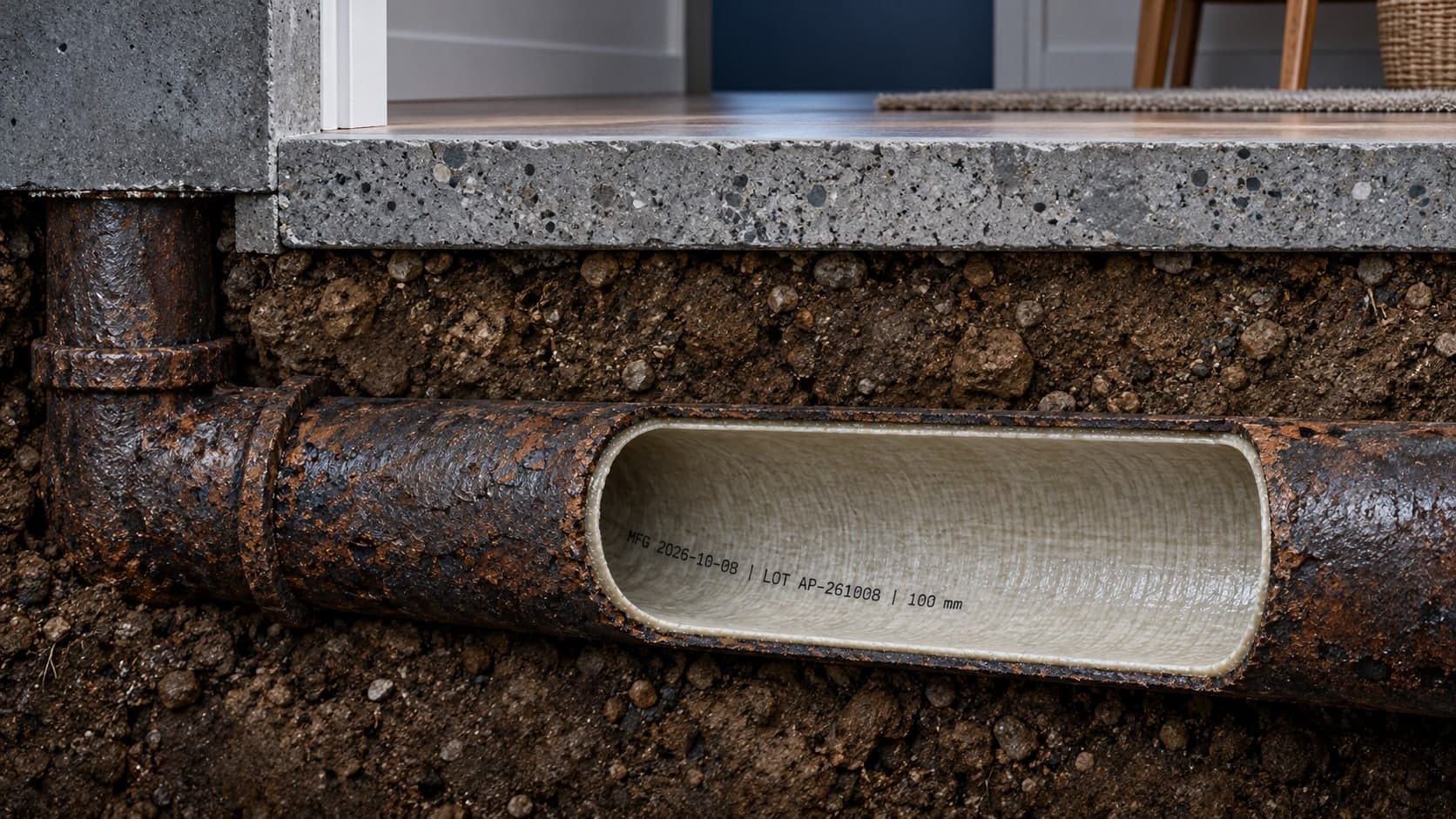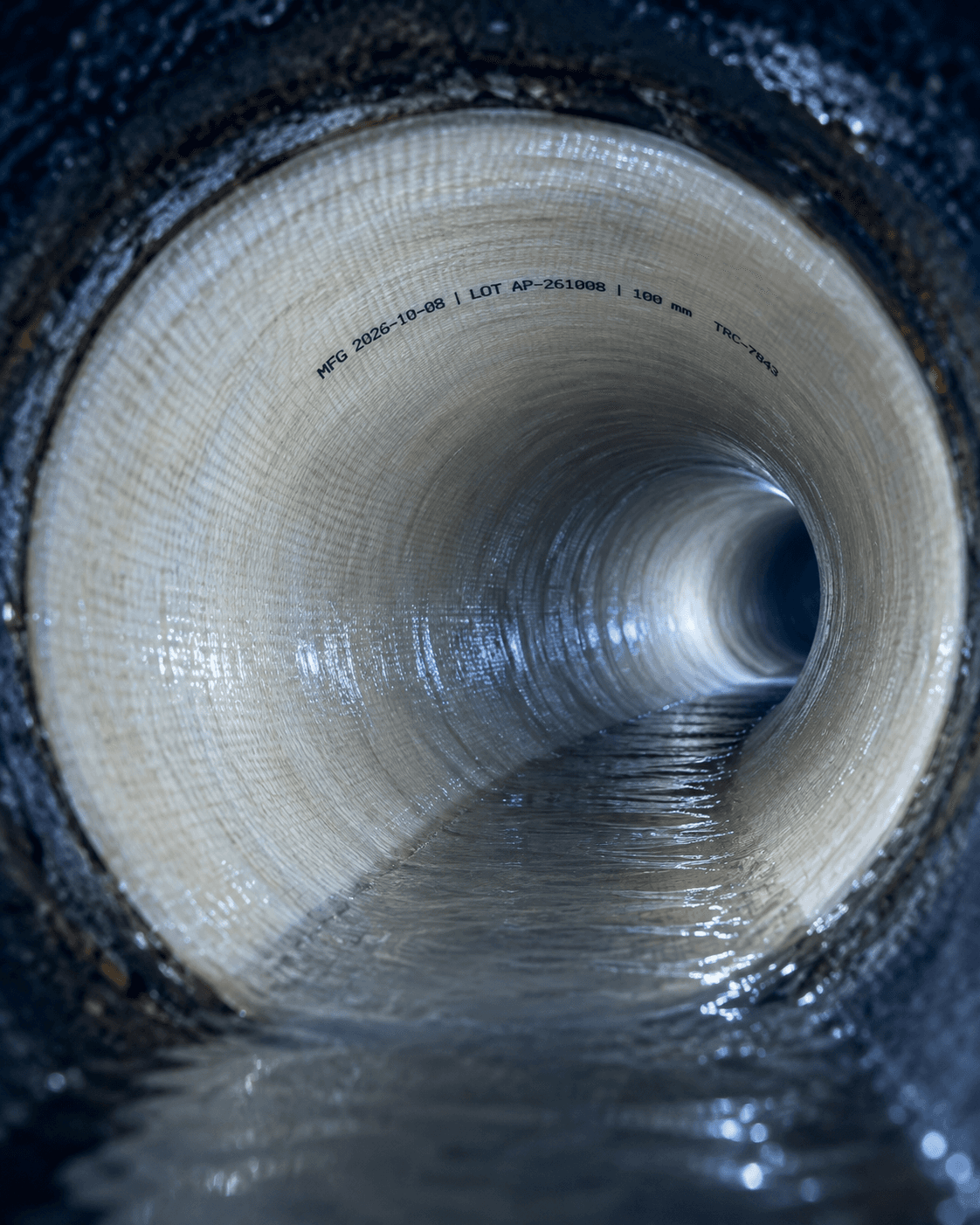
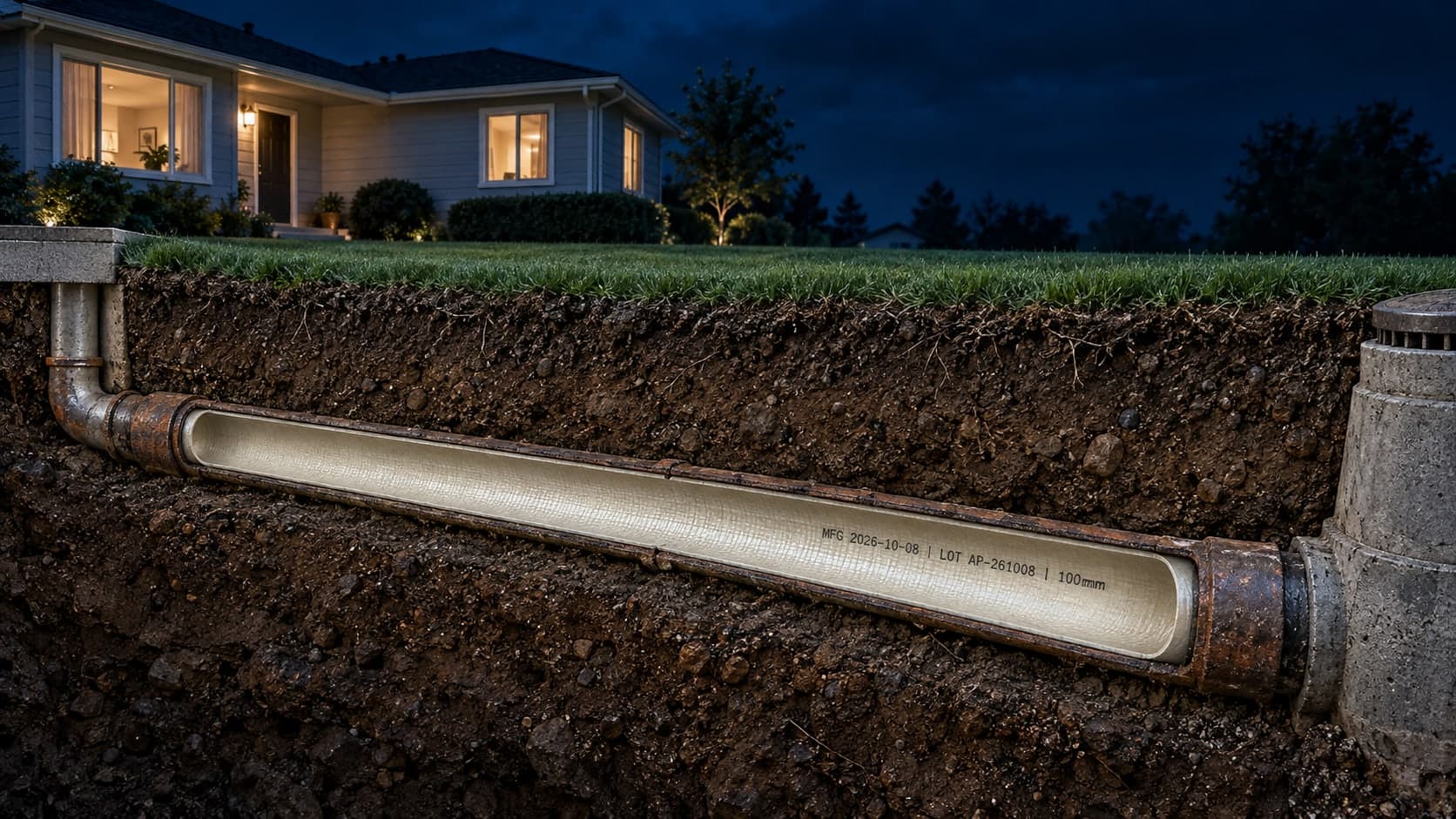
Lining a household drain involves more than installing material inside a pipe. Your connected fixtures, entry points and ability to use plumbing during work all need an agreed work sequence.
Confirm which section is being repaired.
Your household has branch drains, connections and a sewer lateral. Ask which run the inspection and quote cover. Work on one section does not automatically renew every drain in your home.
Share previous recordings or plans if you have them. A blocked or submerged area can limit what is known until further cleaning or access is completed.
Understand preparation and suitability.
The host needs preparation for the selected liner system. Cleaning can expose damage hidden beneath deposits, so the condition should be checked before installation proceeds.
A collapsed path, severe displacement or a sag can require different work. A liner follows the existing route and does not correct every defect.
Plan for the affected fixtures and access.
Ask when each connected fixture will be out of use and when it can return to service. Preparation, curing and reopening connections all affect that schedule.
Confirm any new access openings, equipment setup and finish restoration. Existing access can reduce disruption, but a blanket promise that nothing needs opening is not a property-specific plan.
Know what you receive after the repair.
Ask which final inspection, connection checks, recordings and written warranty terms apply. Keep those records with your service scope you approved.
Our residential lining page explains the service. Describe the affected fixtures when requesting a visit; you do not need to diagnose the pipe first.
Not sure what you are dealing with?
Tell us the symptoms and we will tell you whether it needs trenchless pipe repair.
Request a callback