
Step 1 of 4
We put our camera in your pipe.
We inspect the accessible run and explain visible damage, restrictions and any section we could not assess. The condition and access determine whether lining is an option.
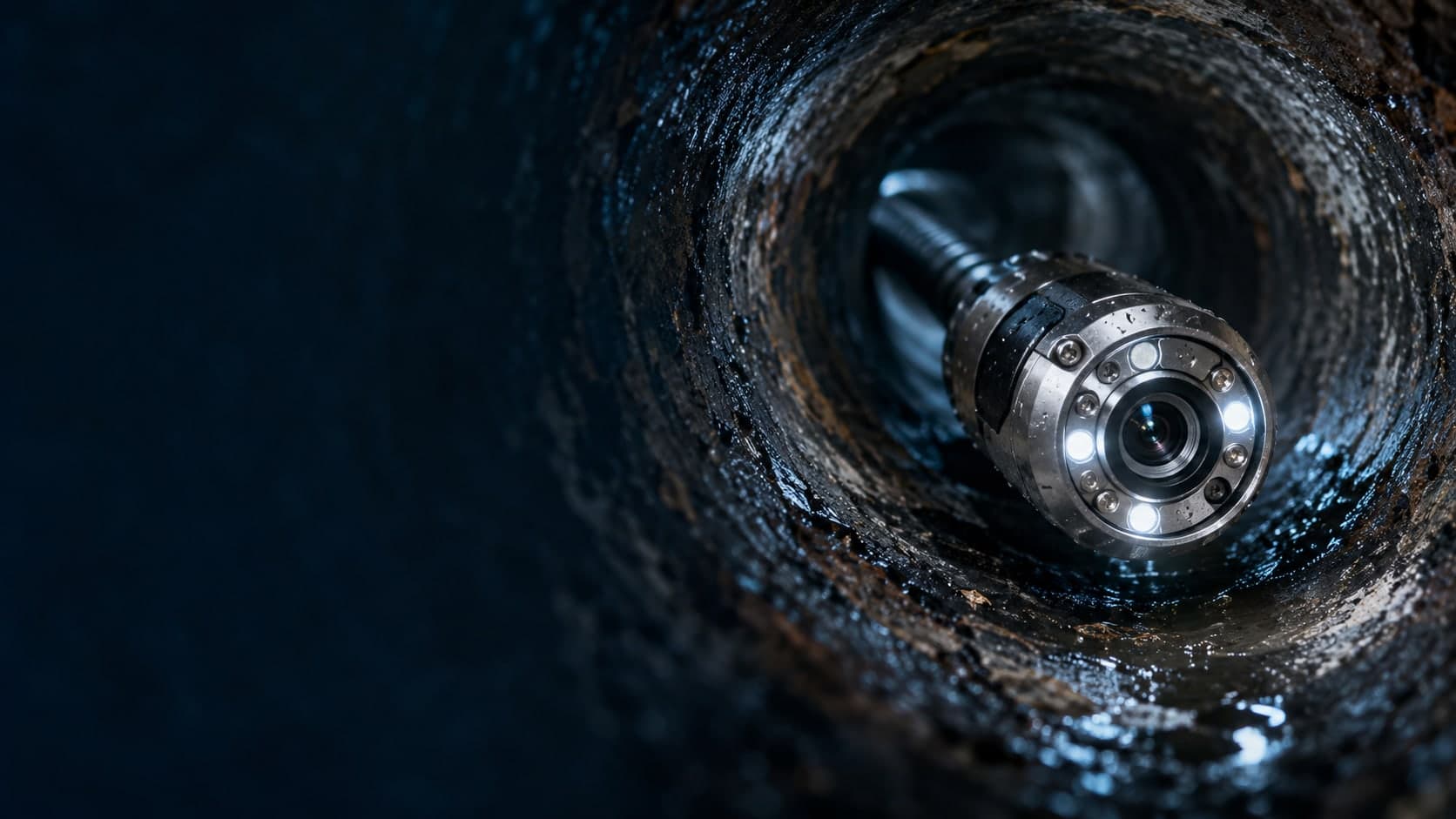 Camera inspection
If your sewer keeps backing up, you need to know whether another cleaning will help or your pipe itself needs repair. We put our camera in your line, show you what it finds, and tell you where trenchless pipe lining fits your pipe and where it does not.
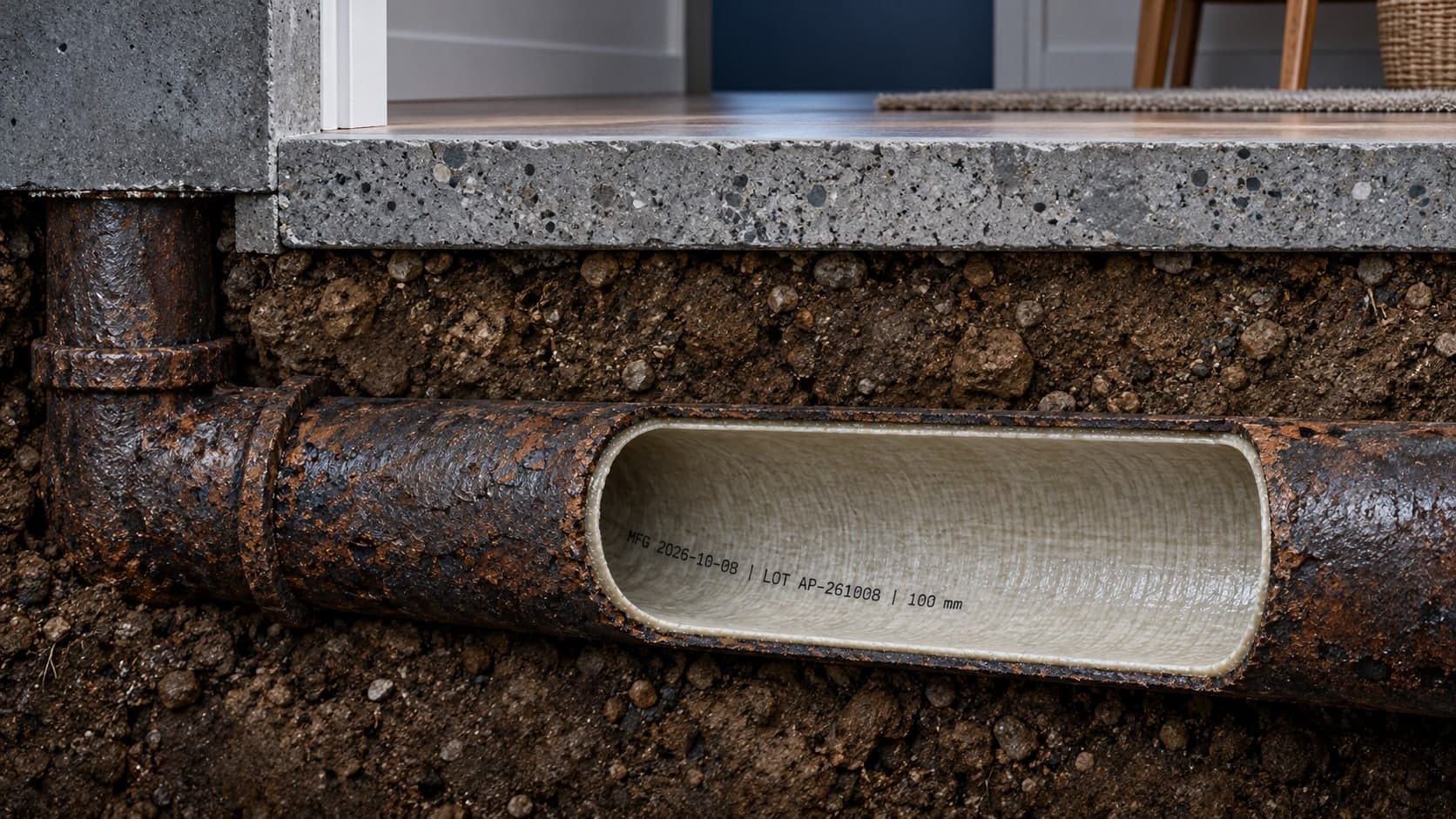 Lining under the slab
Signs of a failing sewer line
Recurring backups, several slow drains or an odor are reasons to investigate. They do not tell us whether your pipe needs cleaning, lining or another repair. We start with the symptoms and the accessible condition.
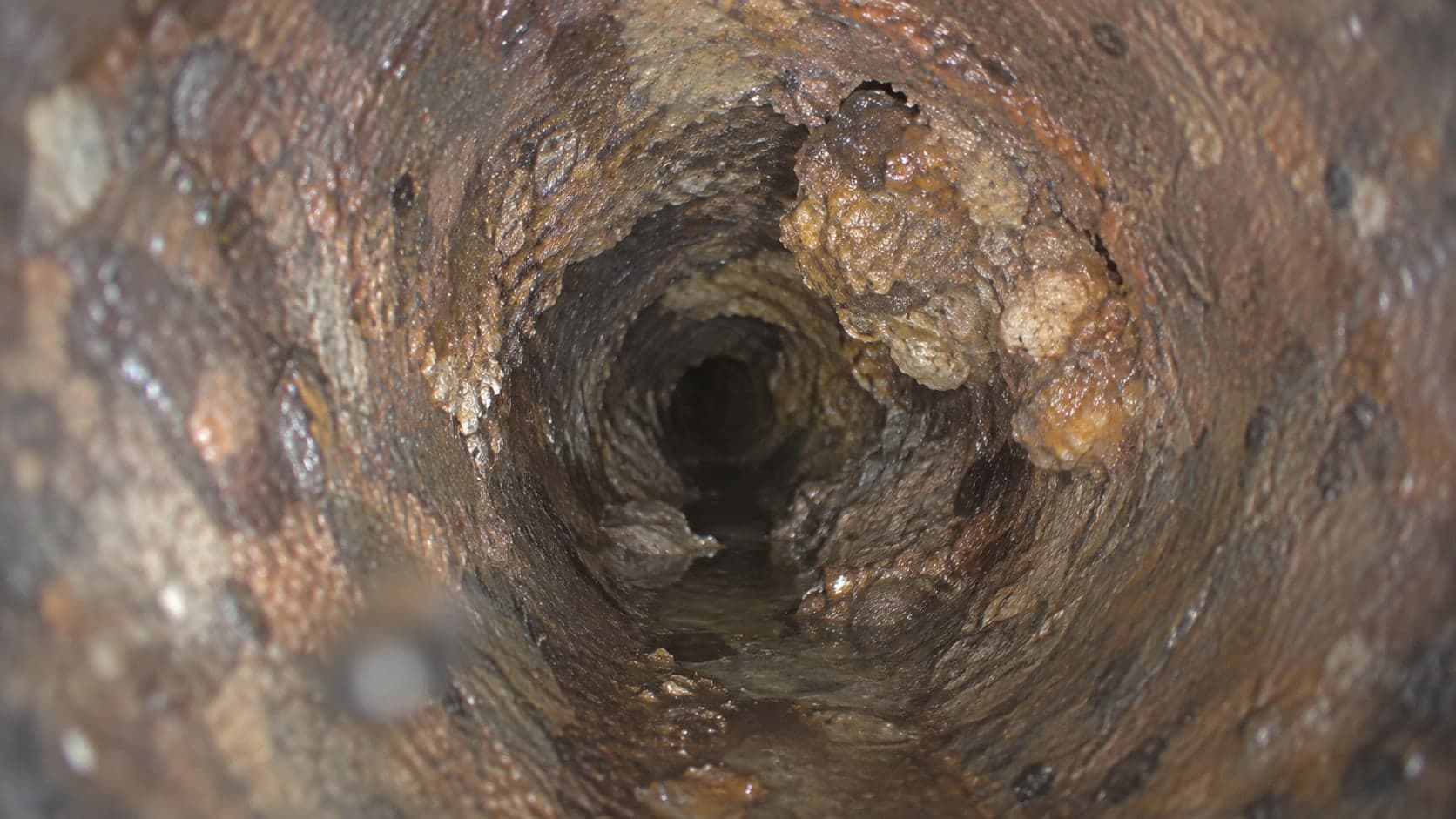 Scale buildup
This rendering illustrates scale narrowing a pipe. Your inspection establishes the condition of your own line.
Tell us how often the problem returns and what previous clearing involved. We investigate the restriction and the condition of your line before recommending more work.
Tell us which fixtures are affected and when it happens. We consider the drainage and venting rather than diagnosing a broken sewer from a sound alone.
An odor can have more than one source. Describe where it occurs and whether any fixtures have been unused or recently serviced.
Multiple affected fixtures can point to a shared drainage problem. We check their connections and accessible pipe before deciding where the work belongs.
Tell us where the moisture appears and when it changes. A site assessment is needed to identify its source; it is not proof that your sewer has failed.
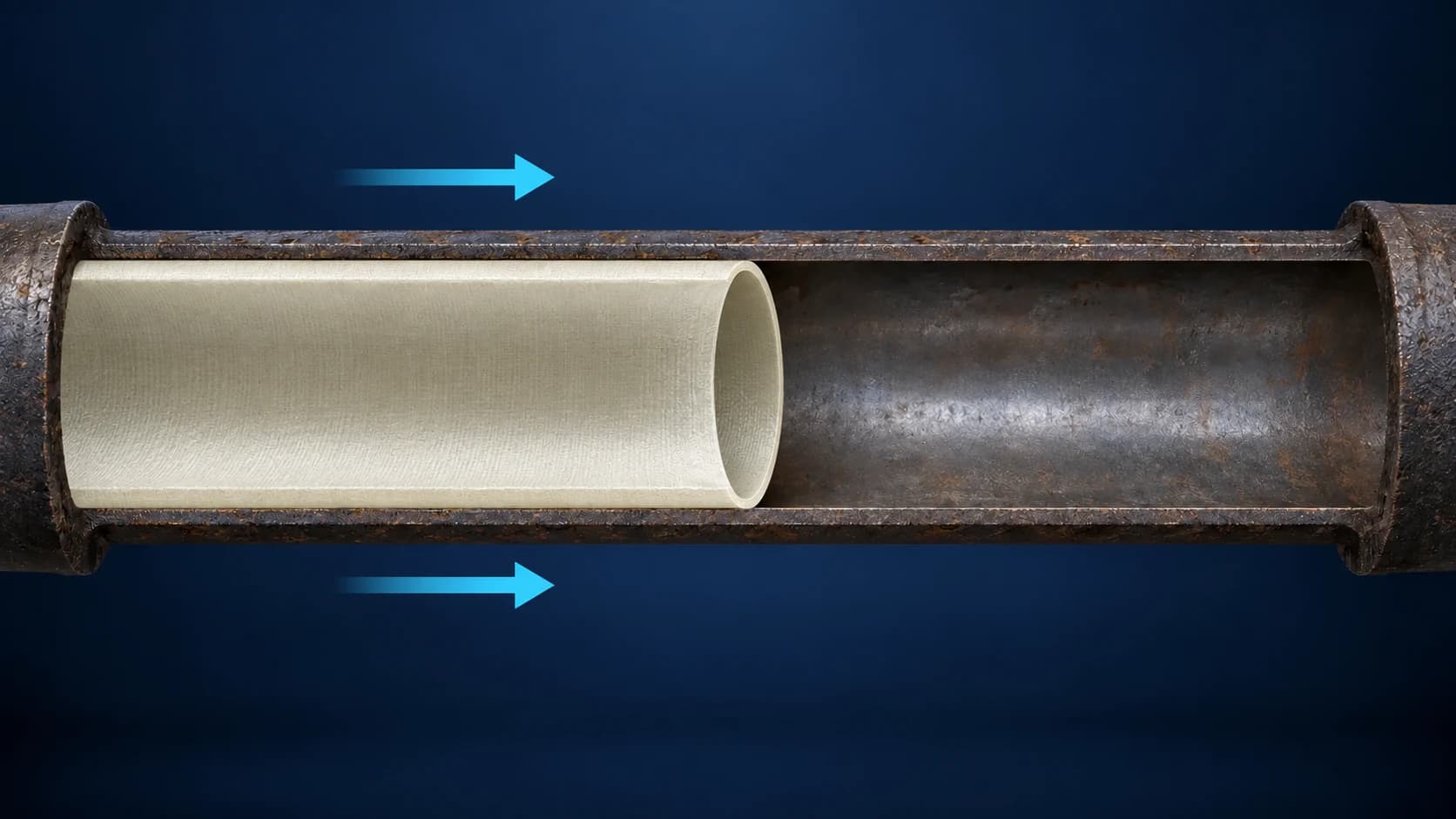 Liner insertion
The arrows show the direction of liner insertion in this simplified cutaway. We select the installation and curing method for your pipe after inspection.
What trenchless pipelining is
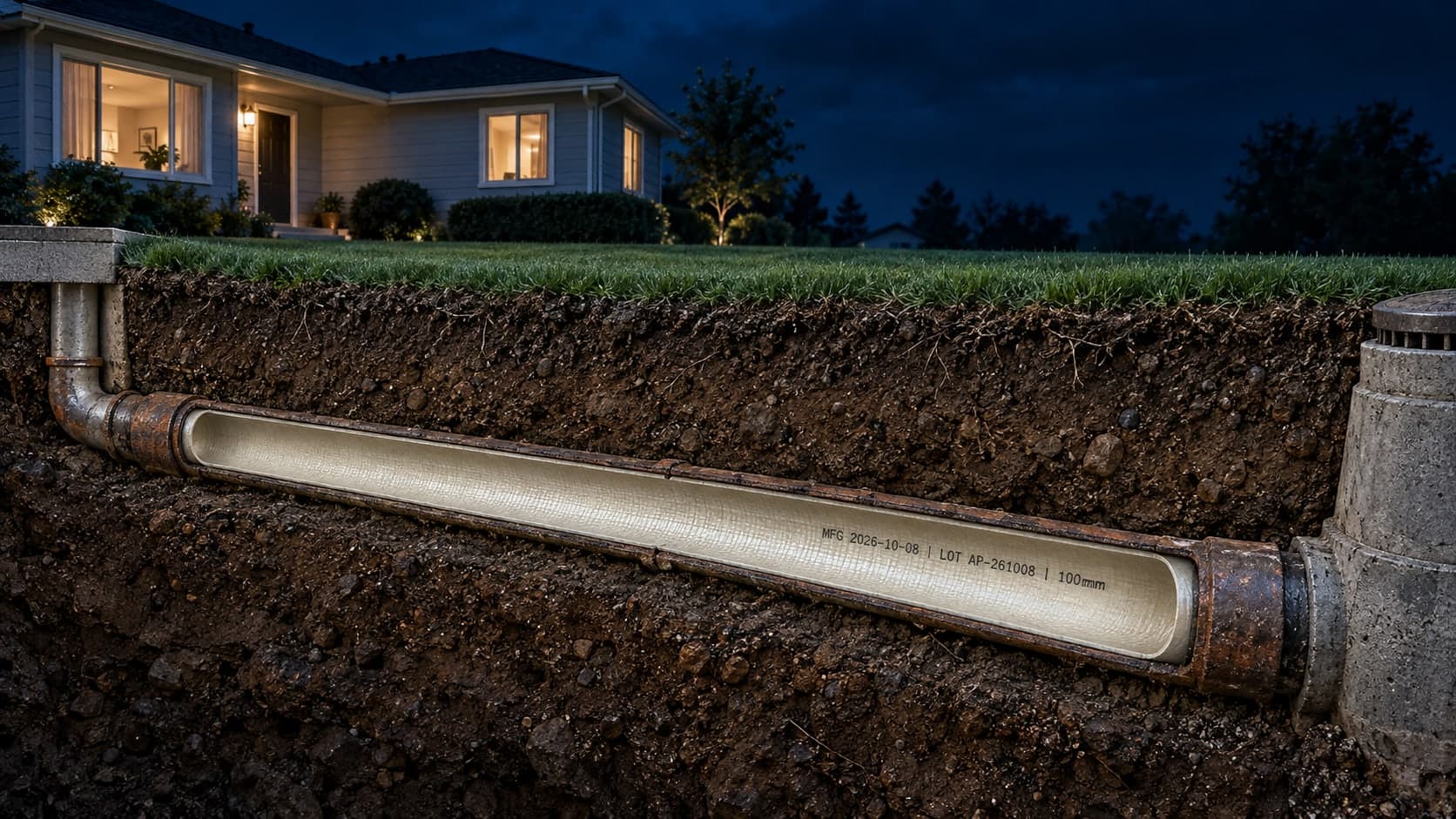
Cured-in-place pipe, or CIPP, uses a resin-saturated liner installed inside a prepared host pipe. Curing hardens it into a new inner wall along the treated section. The selected liner system must suit the condition and geometry of your sewer.
You will also see "epoxy lining" in searches for this work. A structural resin liner and a coating sprayed onto the pipe wall are different systems, so our proposal names the liner system we will install in your sewer. Our UV CIPP guide explains where curing fits in the process.
Existing cleanouts or other suitable access can reduce the opening needed for a repair. We identify any new access and restoration in your scope before you decide to proceed.
How trenchless lining works
The inspection, preparation, installation and final checks each matter. We explain the schedule and restrictions on plumbing use for your line rather than treating curing time as the length of the whole job.
Step 1 of 4
We inspect the accessible run and explain visible damage, restrictions and any section we could not assess. The condition and access determine whether lining is an option.
Camera inspectionStep 2 of 4
We remove deposits with cleaning and preparation methods suited to your pipe and selected liner system. Cleaning can expose damage hidden by deposits, so we inspect the prepared line before installation.
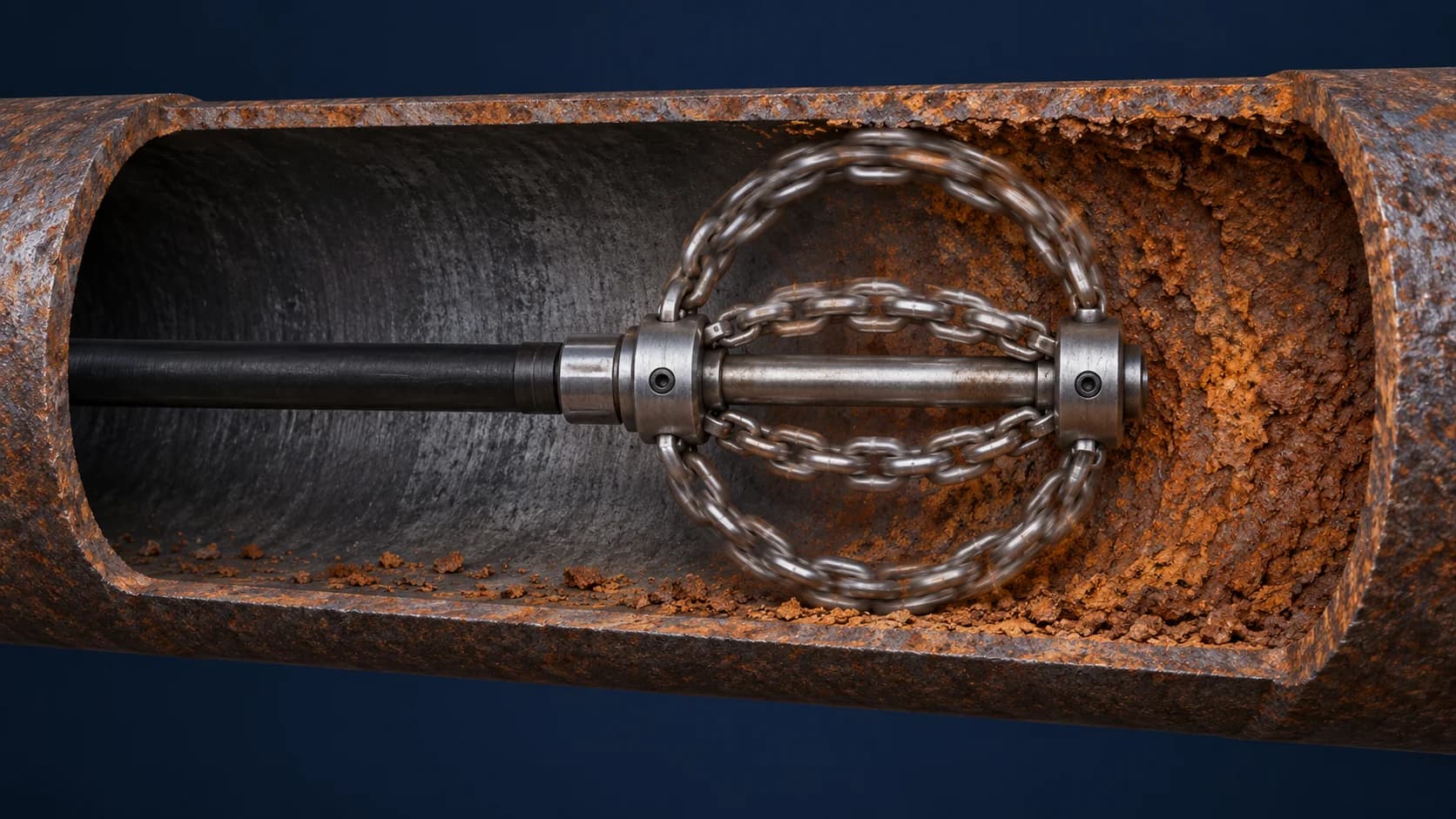 Chain descaling
Step 3 of 4
We pull or invert the resin-saturated liner into your prepared pipe and expand it against the wall. Once it cures, you have a continuous new pipe inside your old one, and we reopen each branch connection from inside the line.
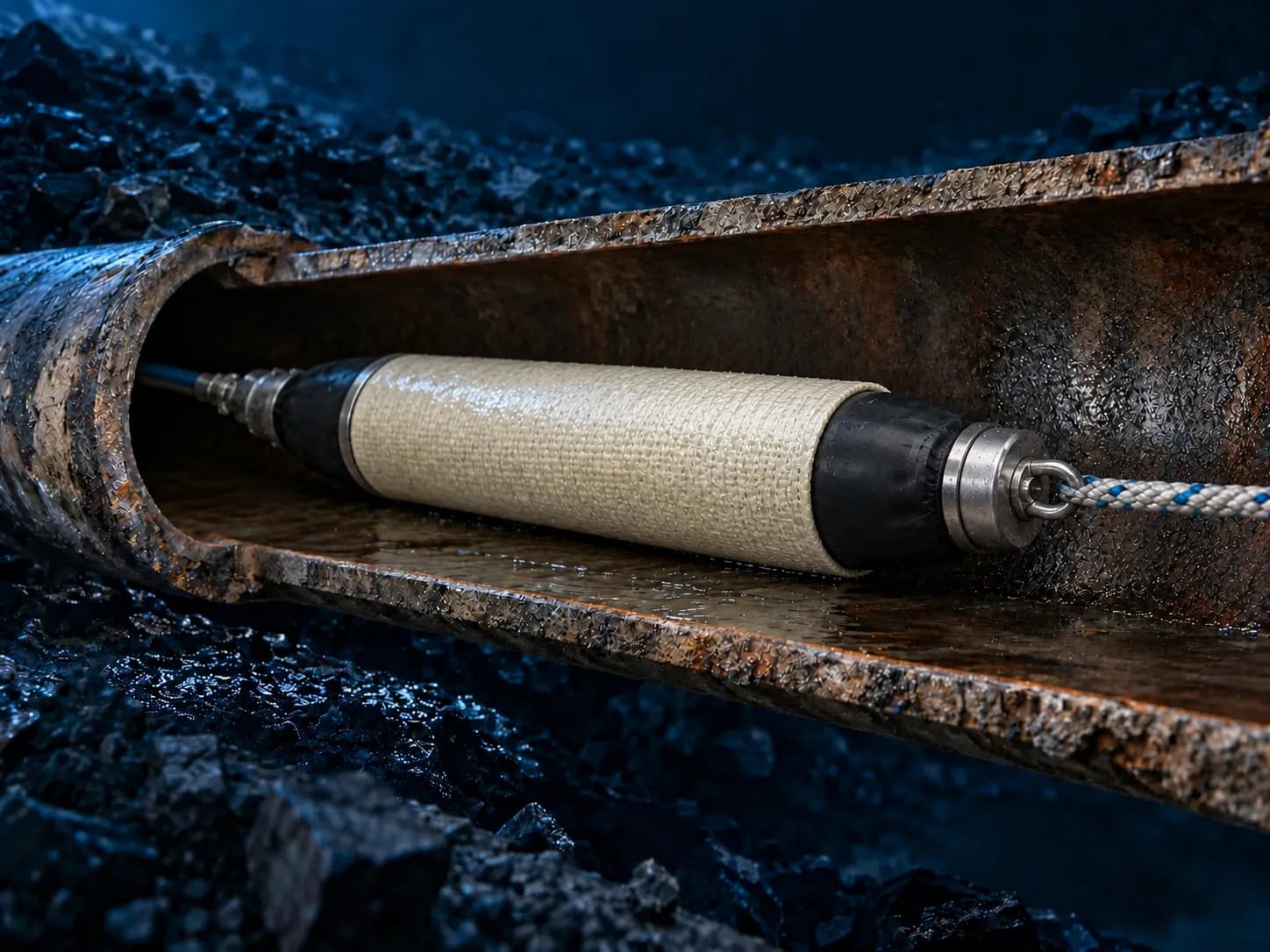 Supported liner placement
Step 4 of 4
We inspect the lined section and its connections after curing, and explain the completed work. Confirm the recording and other handover documents included in your repair scope.
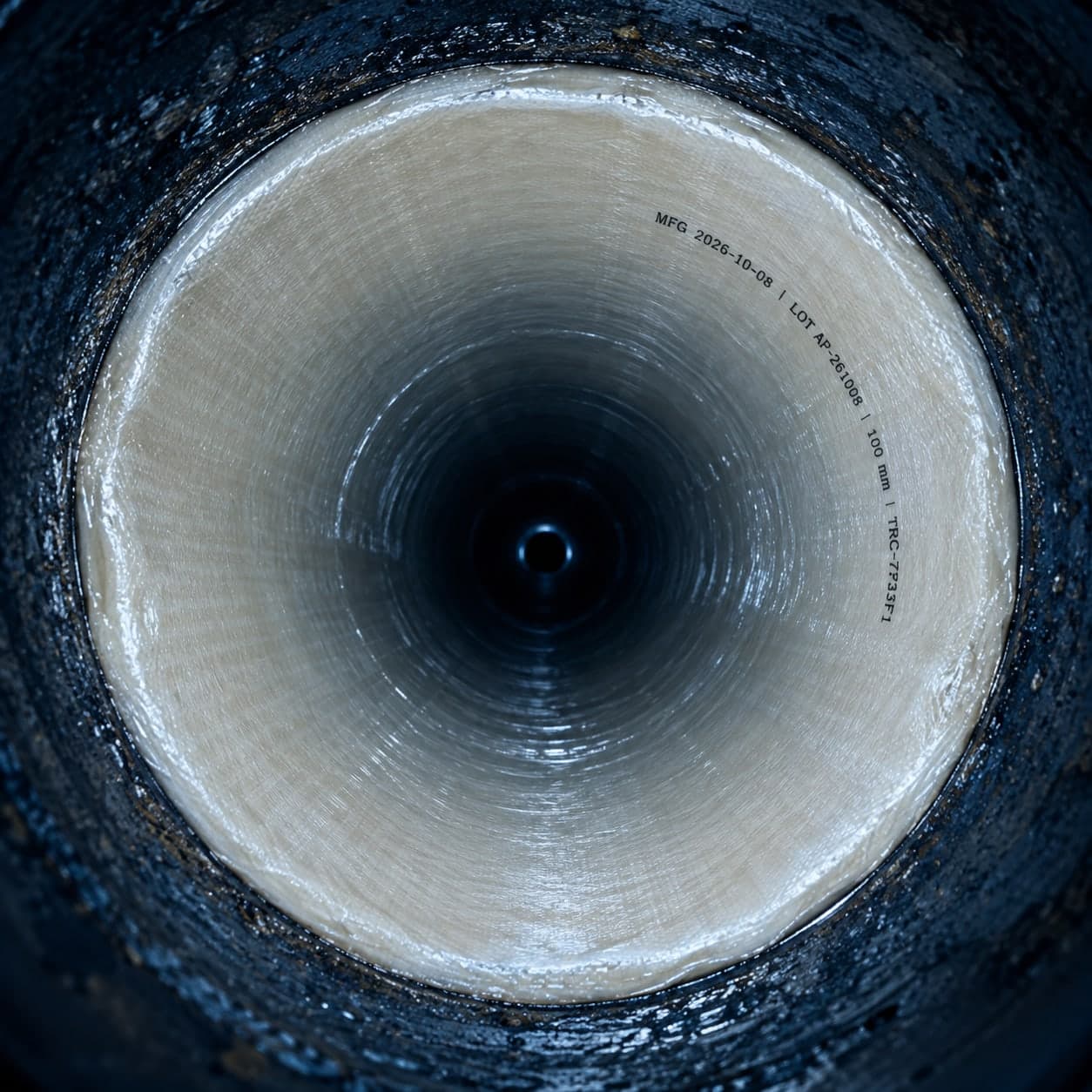 After lining
From our field footage
Our field footage follows equipment and material preparation beside our trailer. The inspection, access and selected liner system guide that preparation. We explain those steps and any interruption to your plumbing before work begins.
Our team prepares lining equipment and material, then works at an indoor pipe access. This short clip has no audio.
Before and after lining
These renderings show how a cured-in-place liner changes the inside of your pipe. We use your camera recording to assess your own line.
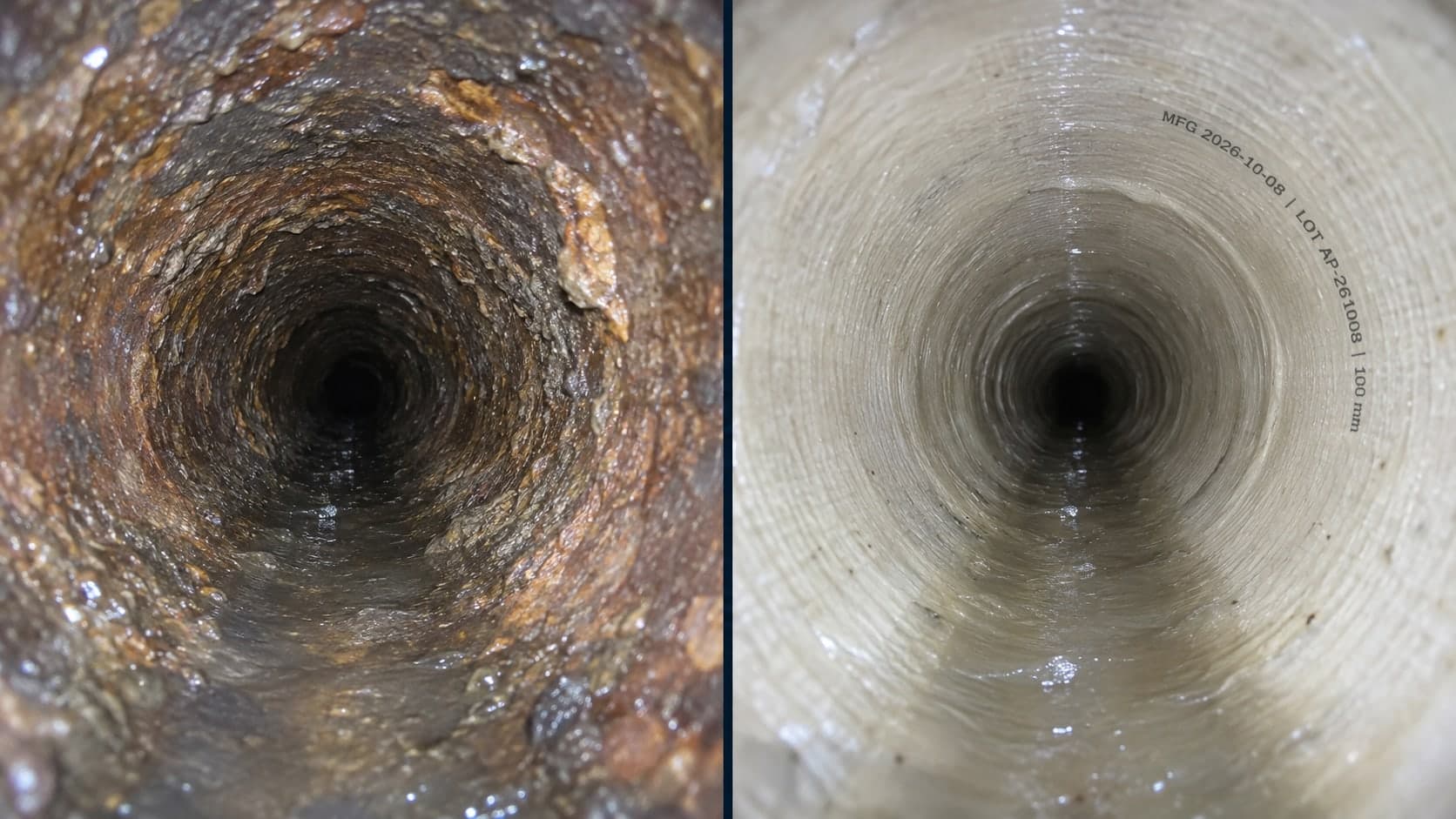 Before and after lining
These rendered examples compare a corroded surface with a smooth lined bore. Your own before-and-after inspection records the section actually repaired.
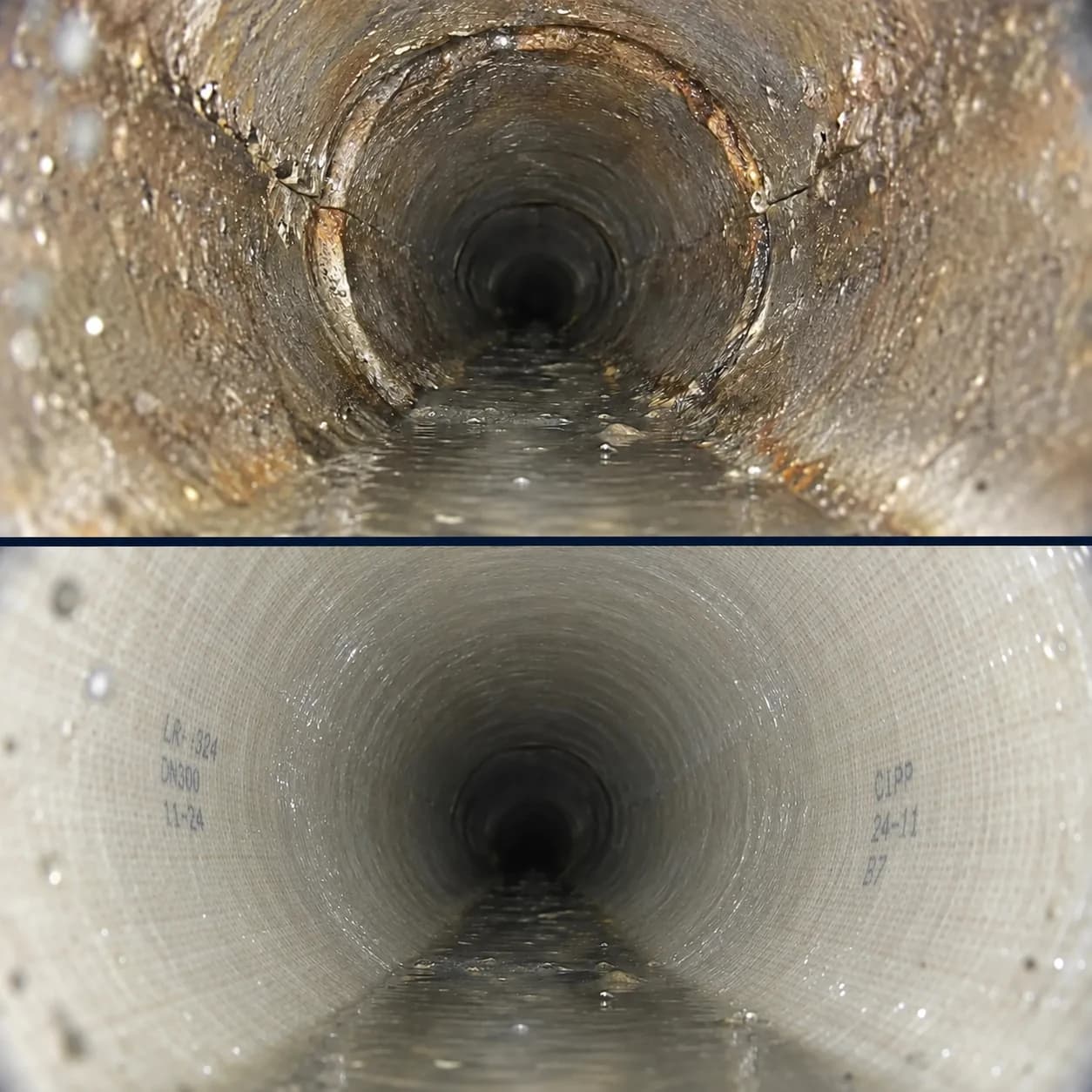 Before and after lining
A suitable liner can span a damaged joint within the specified repair. The amount of displacement and condition of the surrounding pipe affect whether lining fits.
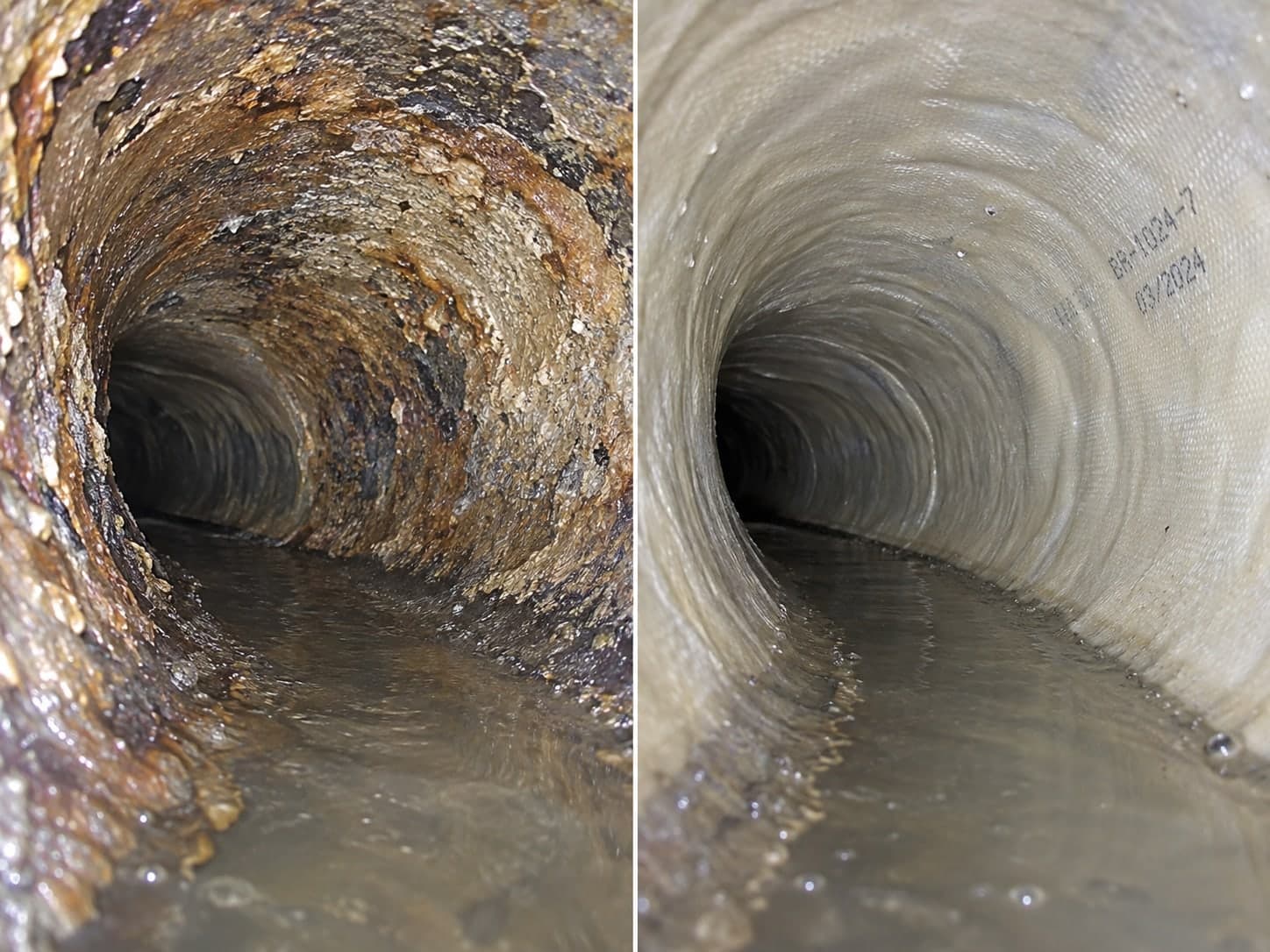 Before and after lining
Our liners follow the bends in your existing route. We check tight fittings and changes in diameter on camera first, because they decide which liner system fits your pipe.
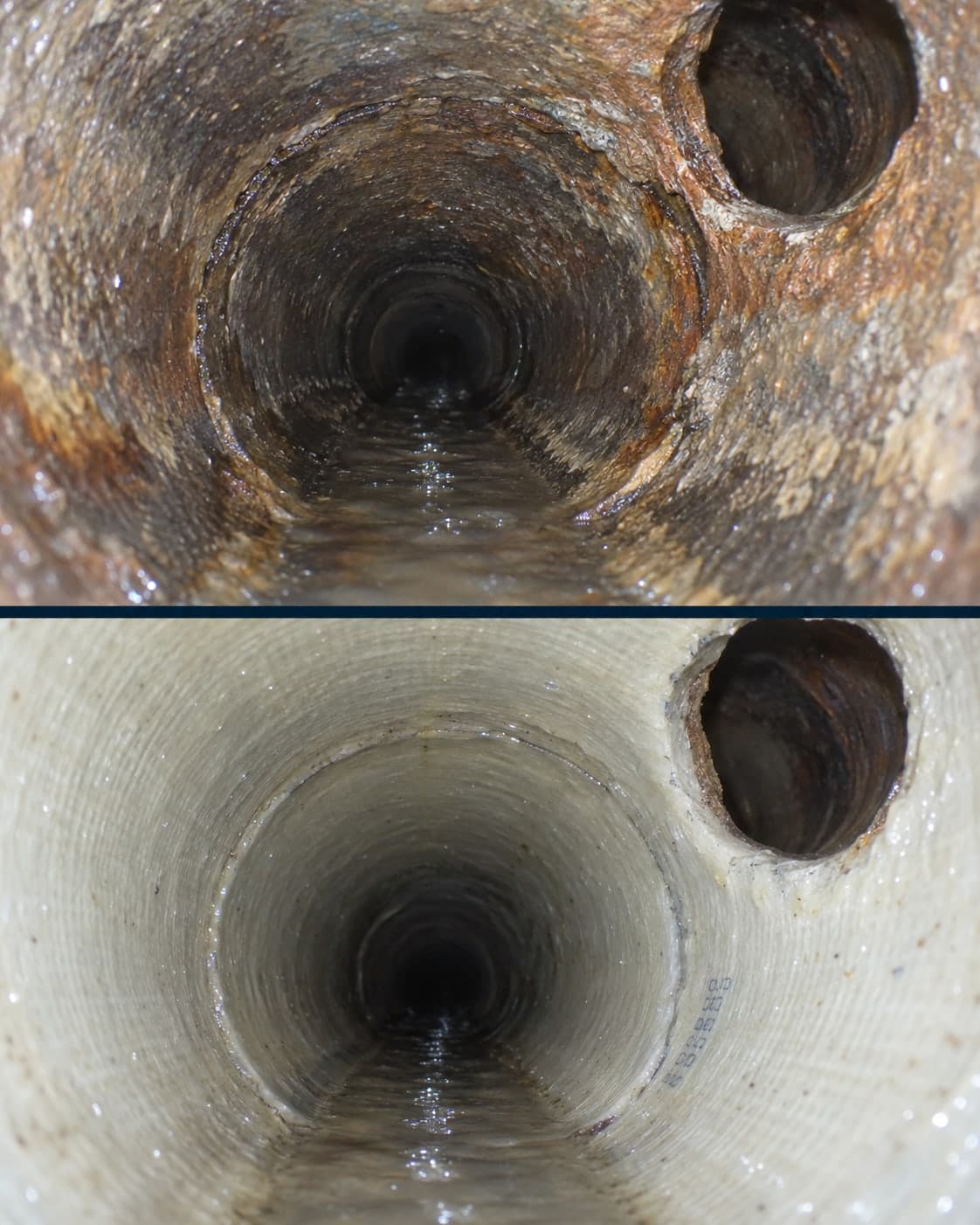 Before and after lining
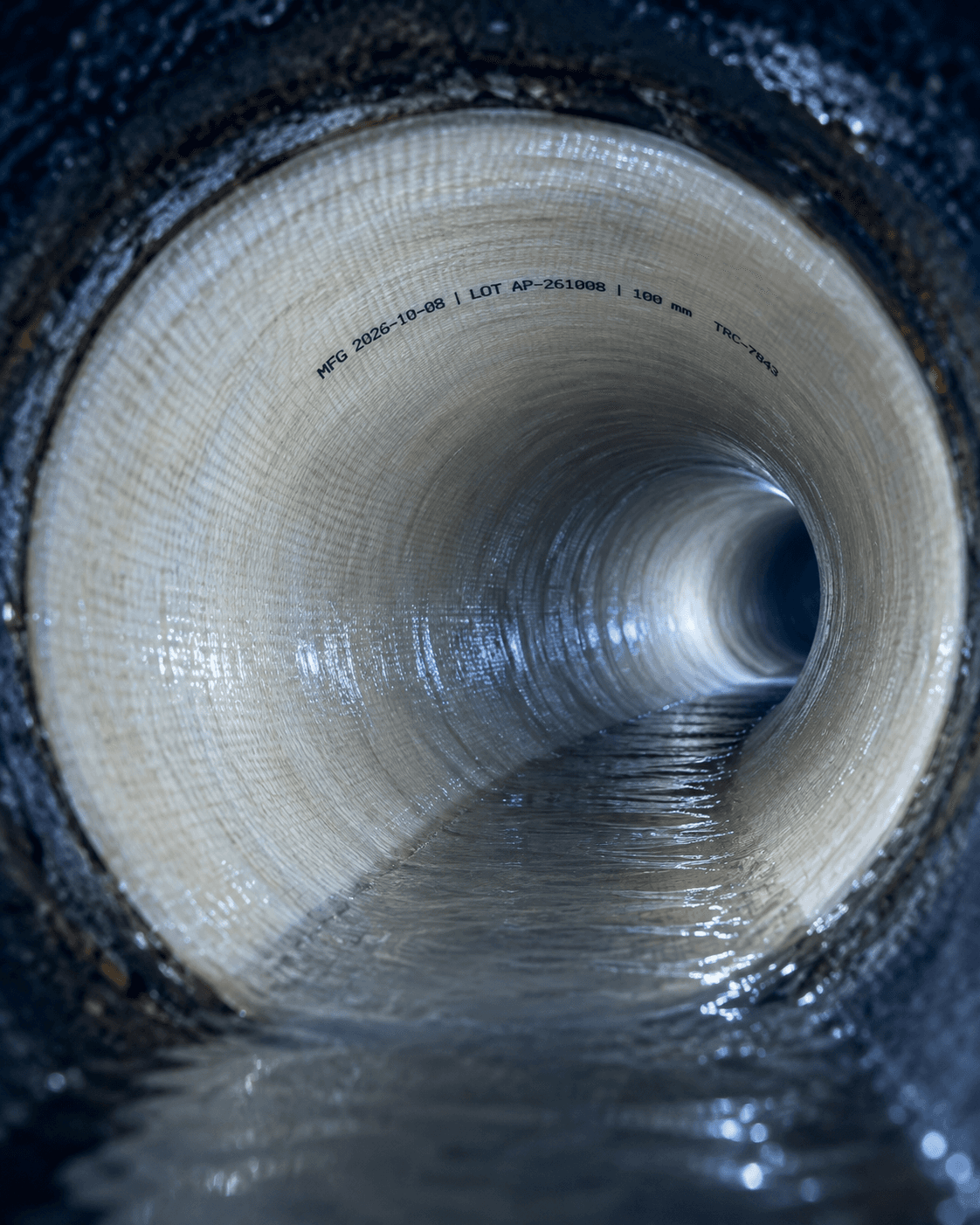
After the cure, we reopen each connected drain from inside the lined pipe, so your fixtures keep draining into the new line.
What lining cannot do
A liner needs a pipe that still holds its shape and its route. Our camera inspection is where we find out whether yours does. If we find any of these conditions, our work plan for your line changes, and we tell you how.
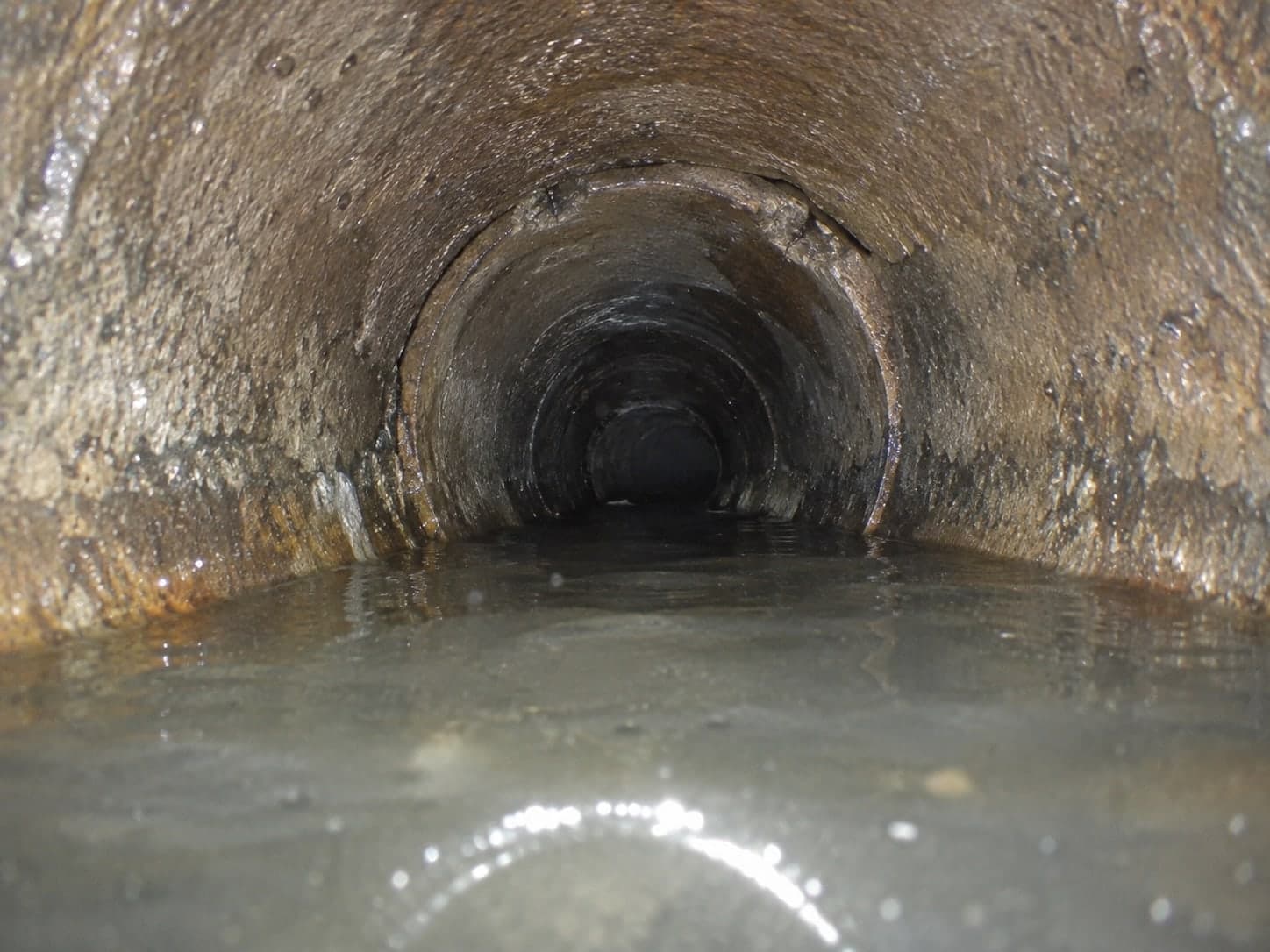
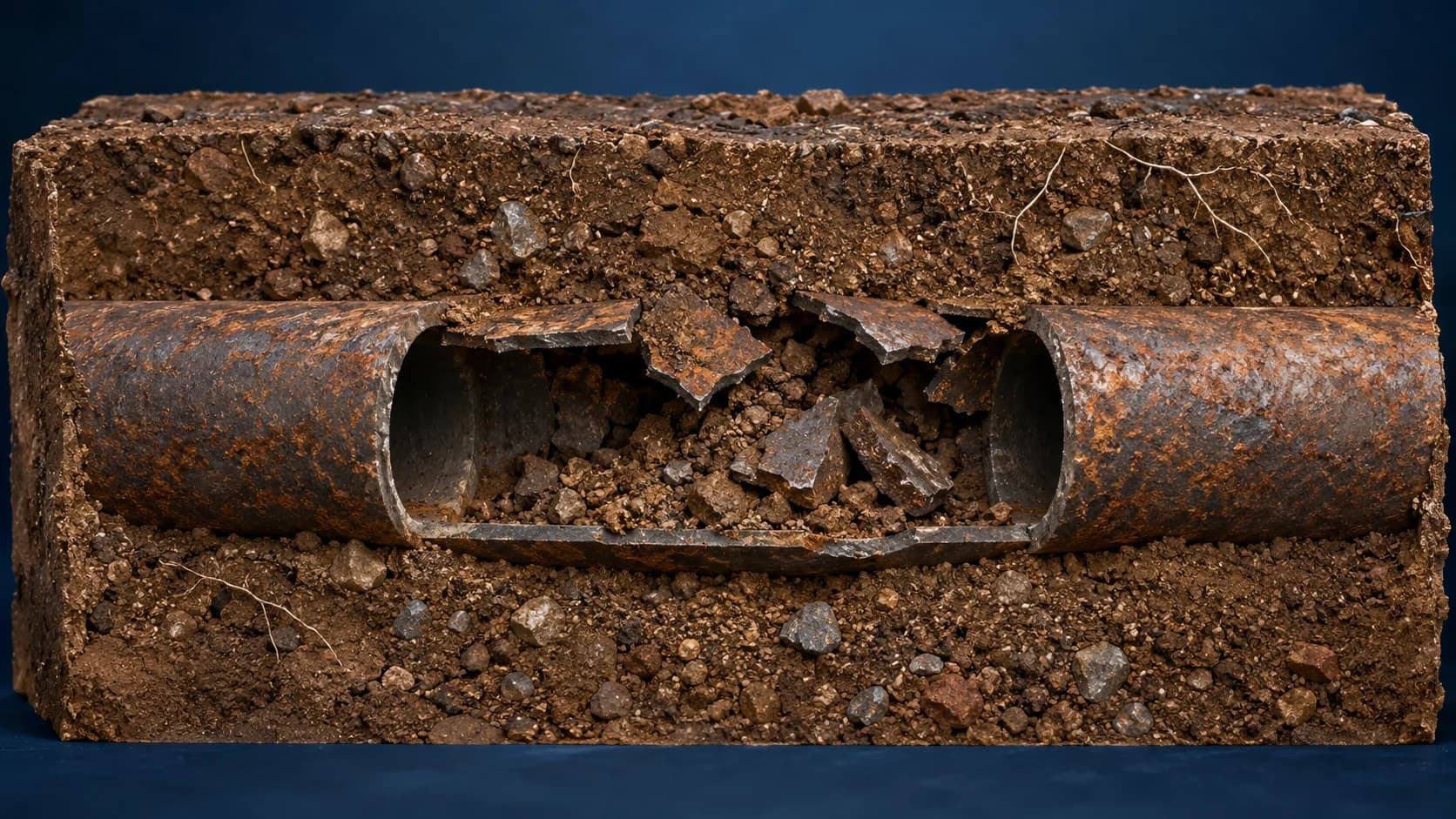 Collapsed pipe
A liner cannot restore a pipe path that is no longer there. We open and replace a collapsed section before we line the rest of your line.
 Belly in the line
A belly in your line collects water and solids. A liner follows the existing slope, so it does not lift a sag. We may need to re-bed that section.
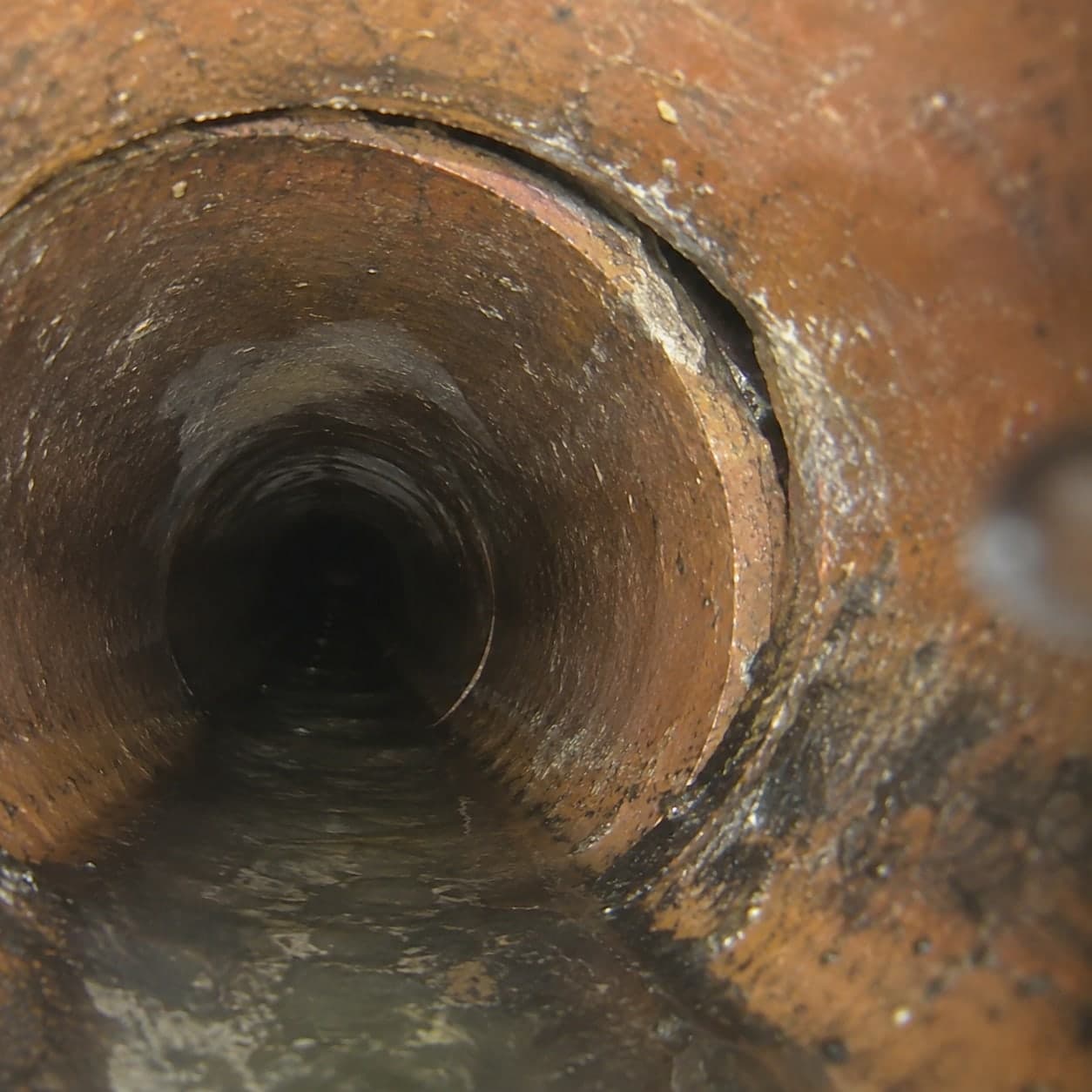 Offset joint
We can line through a small offset. A large one leaves a step inside your pipe, and we may need access to realign or replace that joint.
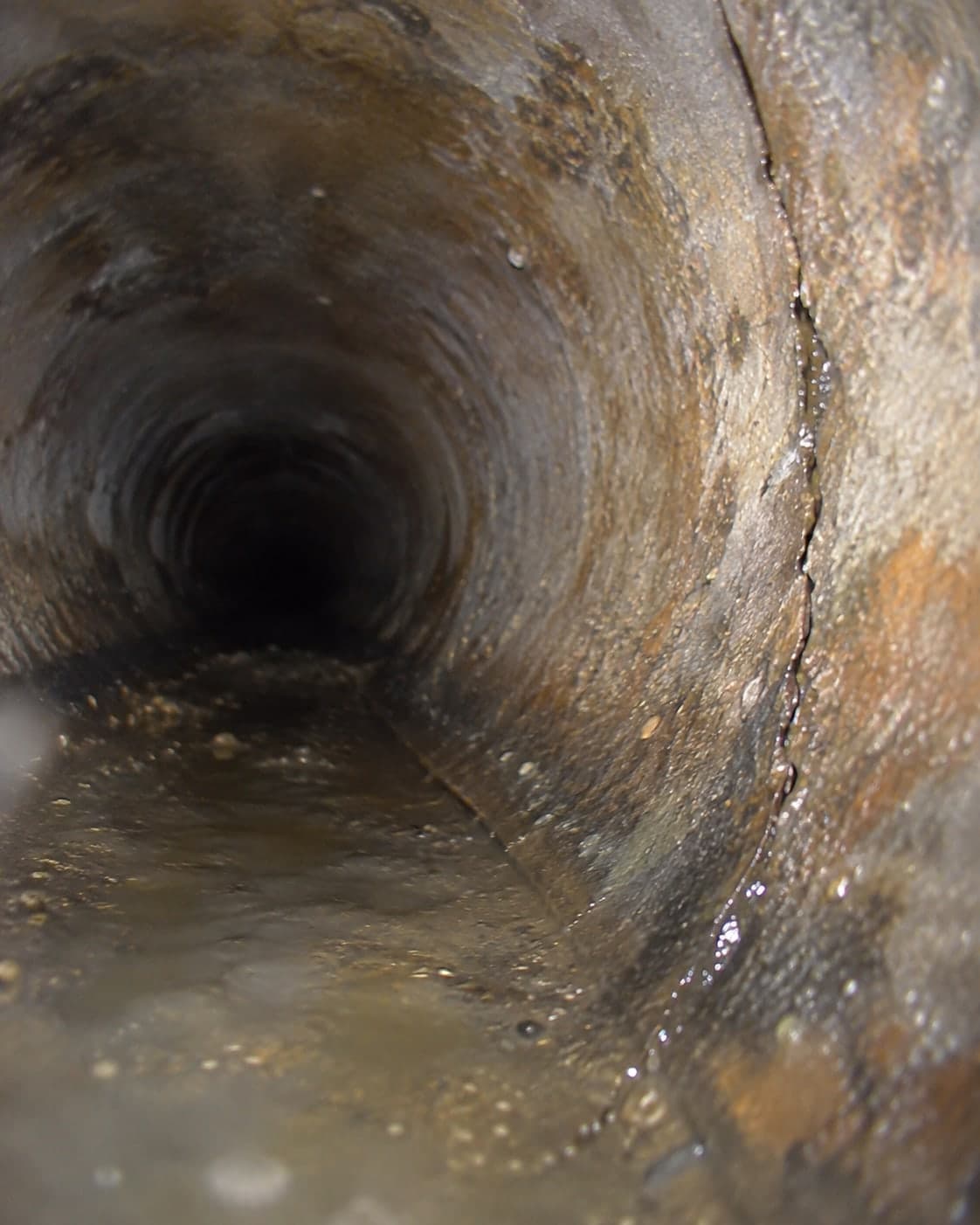 Cracked pipe
A visible crack does not decide the repair on its own. We assess the retained shape, surrounding condition, connections and liner requirements before recommending the work.
 Lateral lining
Residential and commercial
For your home, we plan residential pipe lining around your household drains, the access points available and how long your plumbing will be out of use. Most 2 to 6 inch branch drains and laterals fall into this work.
For a condominium, HOA or business property, commercial and HOA pipe lining also needs a defined repair boundary, coordination with the people using your building, and our written plan for the connected units and shared lines.
Your property sewer and the public utility main are different jobs. Tell us where the problem appears to be; you do not need to work out responsibility or choose a method before you call.
What drives your quote
Length and diameter are only part of the job. Our written quote names the section of your line we are repairing and everything we include, so you can compare it with any other proposal line by line.
We tell you how much scale, root mass and debris has to come out before the liner can go in, and whether any section needs repair first.
We reopen each connected drain after the cure. The fittings and changes in diameter in your line decide the liner system we use and the access we need.
Our quote says whether we run the job from your existing cleanout or need to open an access point, and who restores that opening.
You learn when your water and drains will be out of use, and for how long, so you can plan your day around the work.
Our quote lists the post-lining camera footage you receive and the written warranty that applies to the installed liner system.
If your line serves several units, our quote includes coordination with the other occupants and a defined repair boundary.
Our crew on the job
Our own technicians arrive in marked trucks with the camera, cleaning and lining equipment on board.
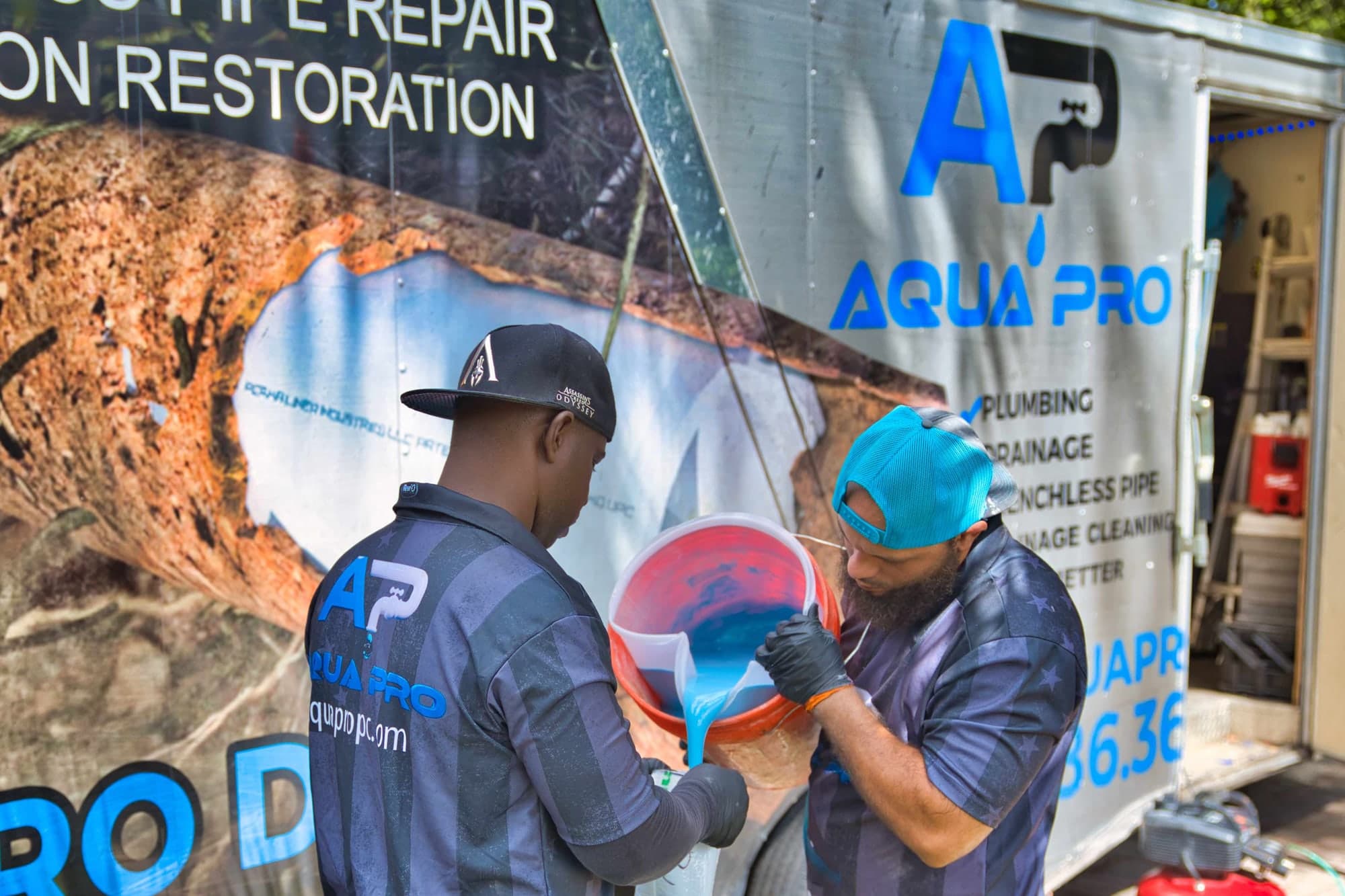
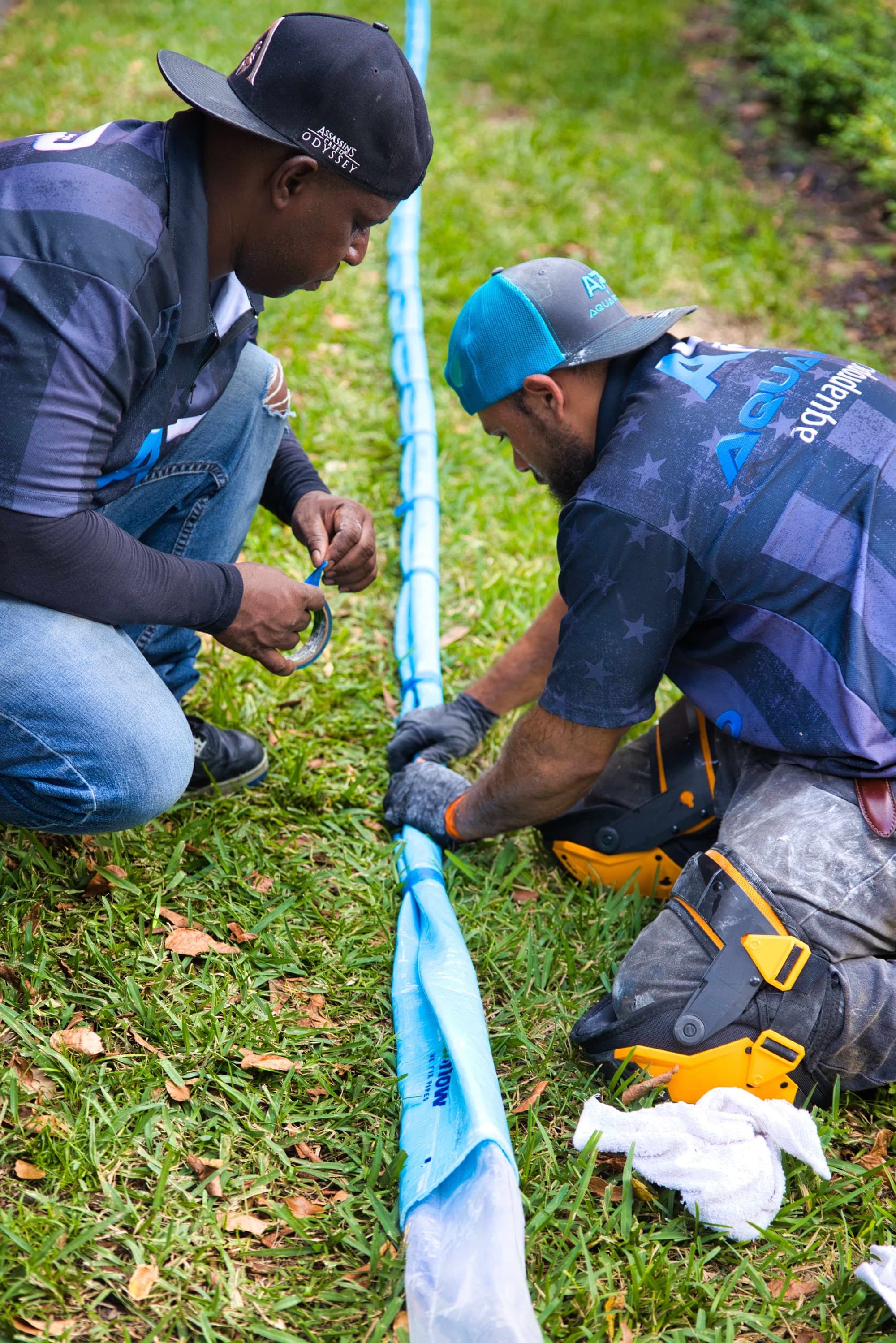

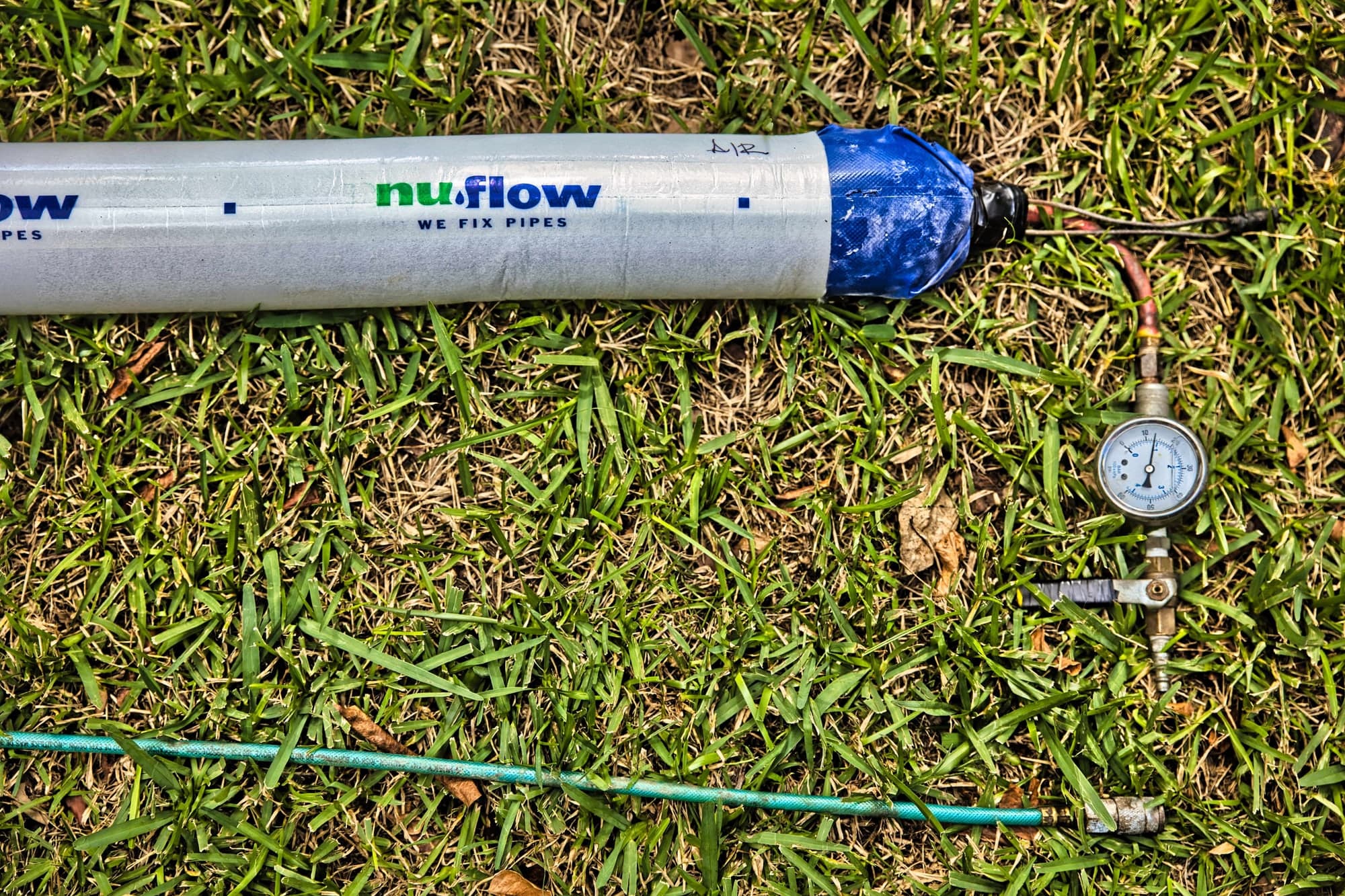
These are photographs of our technicians and equipment on the job.
Common questions
Your pipe’s condition and access decide that. Existing access may let us line a suitable section with limited openings. Your scope should identify any new access and who restores it.
A liner follows the existing route. It cannot recreate a missing path or lift a sag. We explain any section requiring a different repair before proposing lining elsewhere.
We confirm the affected fixtures and shutdown period for your job. Cleaning, access, curing and connection work all affect the schedule.
Compare the section covered, preparation, liner and cure system, access, connections, restoration, verification and applicable warranty. A price per foot alone does not describe the same work.
Where we work
We offer trenchless sewer repair across our Miami-Dade and Broward service areas. Tell us your property location, which drains are affected and whether you already have an inspection. We can start with the problem you are seeing.
We offer trenchless pipe repair in Miami, Coral Gables, Coconut Grove, Cutler Bay, Doral and Miami Shores, and throughout Miami-Dade and Broward, including Fort Lauderdale.
We assess your cast iron drains and explain cleaning, lining or replacement.
We send a camera through your drain or sewer line and record what is happening inside, so repairs are based on footage and not guesses.
We line your household drains, stacks and laterals from 2 to 6 inches.
We line your building mains and shared HOA lines from 8 to 24 inches.
Talk to a licensed plumber
Describe the problem and we will tell you whether it needs a camera inspection, a cleaning or a repair. We explain our proposed work and price before you approve it, and financing is available on every repair we do.
You approve your price in writing before we begin your repair. Here is what affects it: