
Step 1 of 4
We assess your pipe before jetting.
We assess the accessible condition and any previous findings before selecting a cleaning method. Where a blockage limits the camera view, we explain that limitation and the next step.
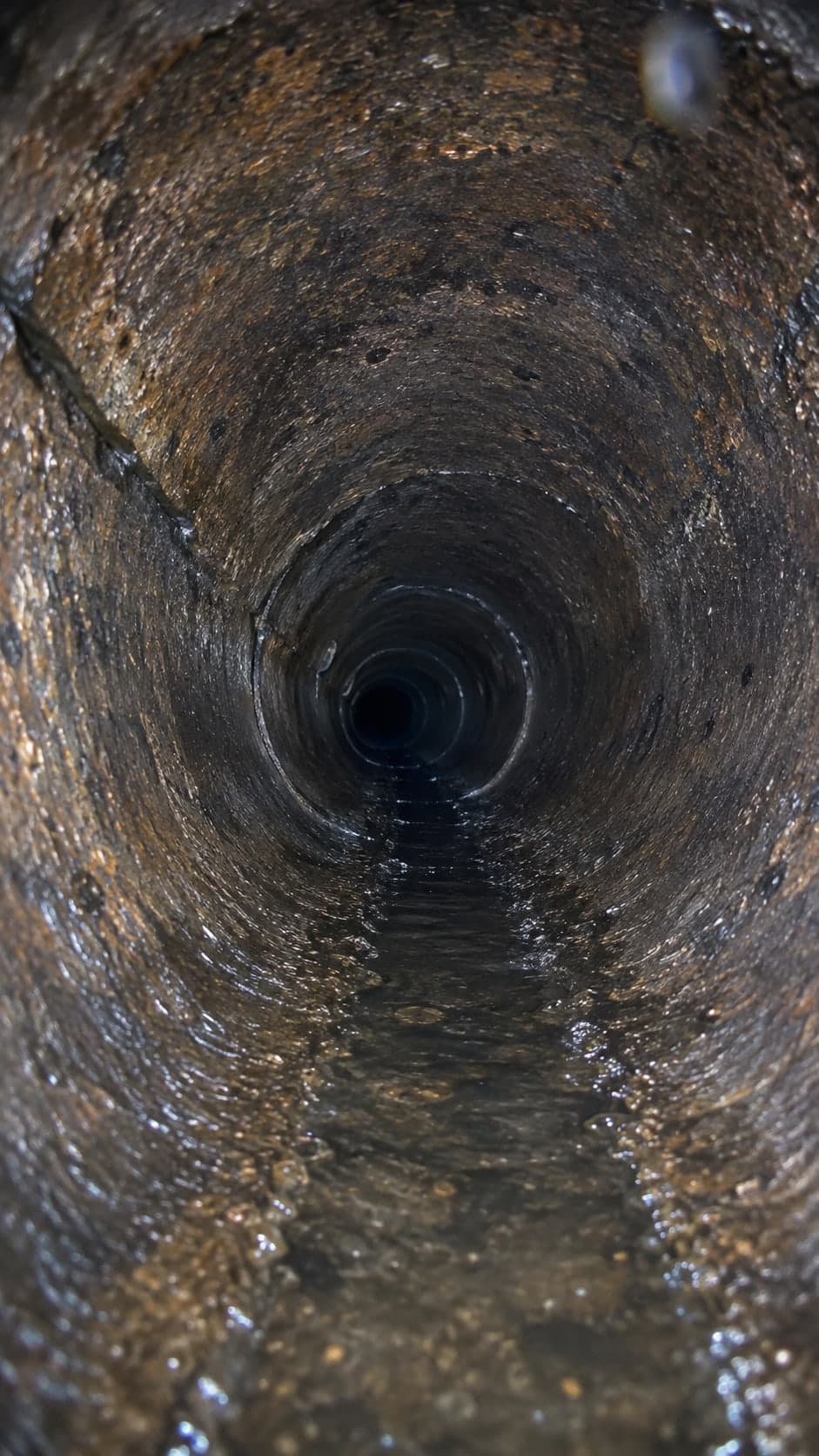 Ready for lining
When a drain keeps blocking, we assess the restriction, pipe condition and access before choosing the cleaning method. Hydrojetting uses water to remove suitable deposits; mechanical descaling and structural repair do different work.
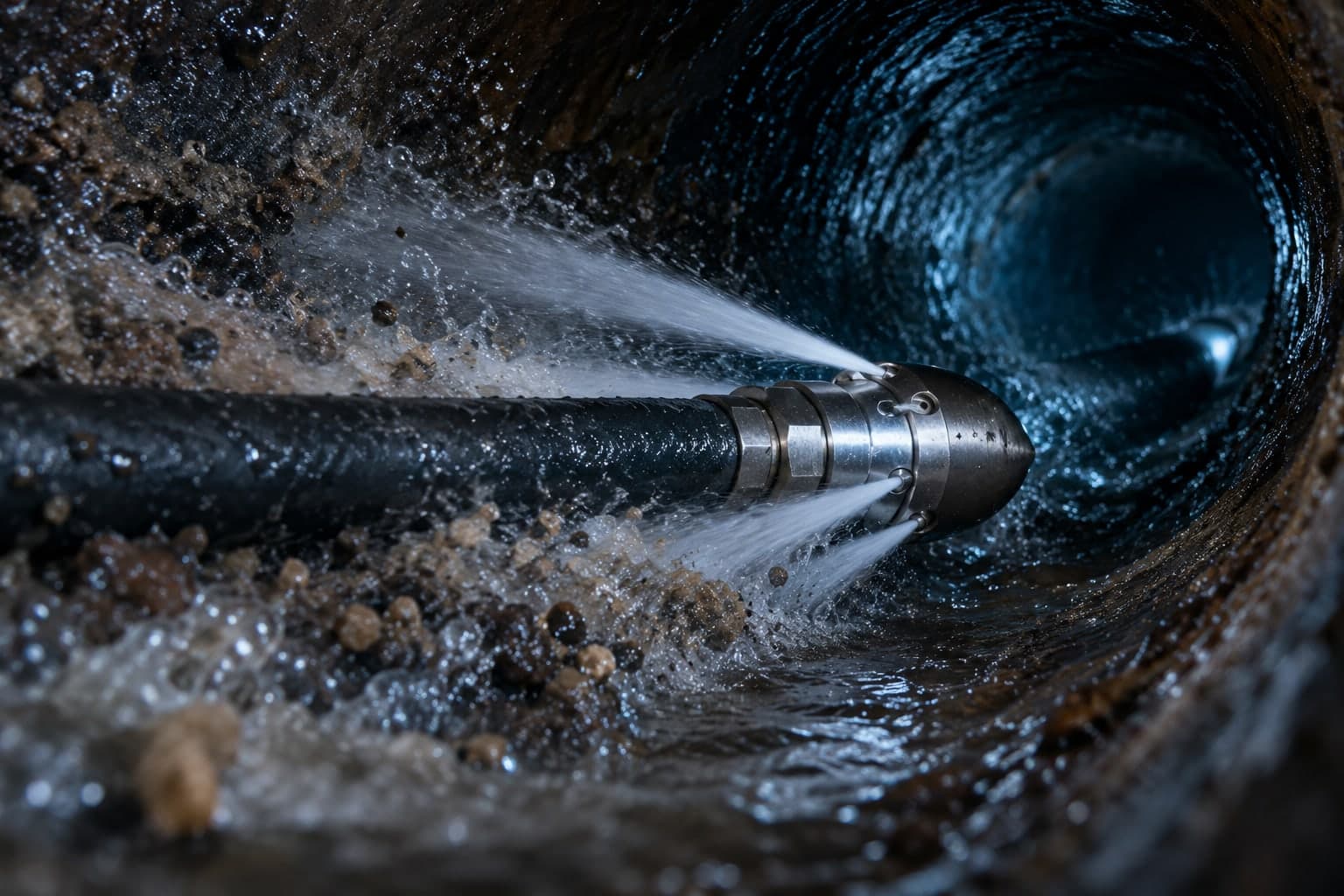 Hydrojetting
When jetting is the right call
A cable and a hydrojet are different tools. We choose the method for your pipe and the material in it, rather than assuming one cleaning method fits every blockage.
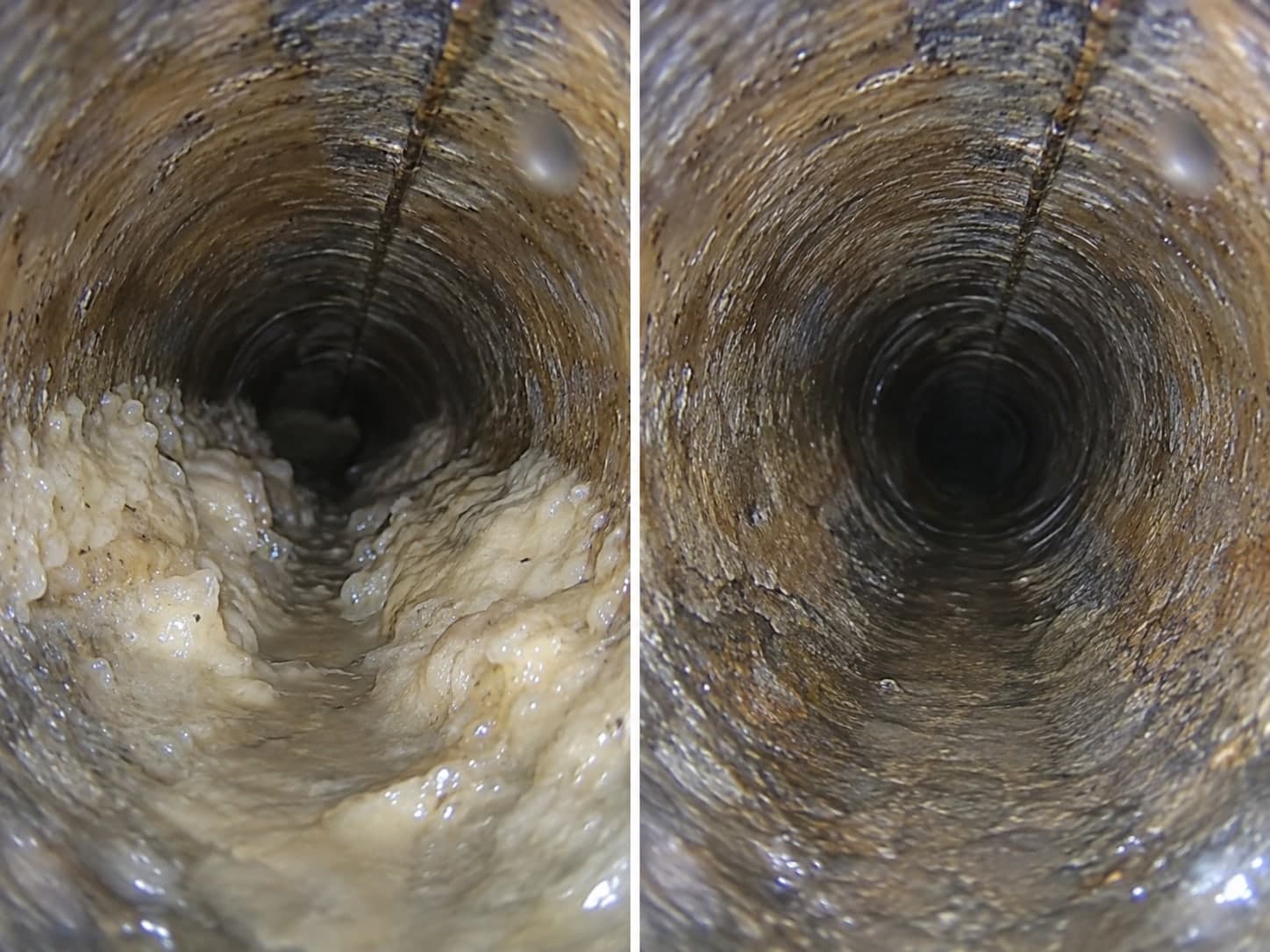 Before and after grease removal
Cleaning exposes your pipe wall so we can inspect its condition.
Tell us what previous clearing involved and how soon the problem returned. We investigate remaining deposits and pipe condition before recommending another cleaning.
Grease coats the pipe wall in layers that a cable cannot lift. Our jetter cuts and flushes it.
Our root-cutting nozzle removes the mass. The joint the roots came through is then a lining question we discuss with you.
Our chain knockers and descaling heads take hardened scale off the wall, and jetting flushes it out.
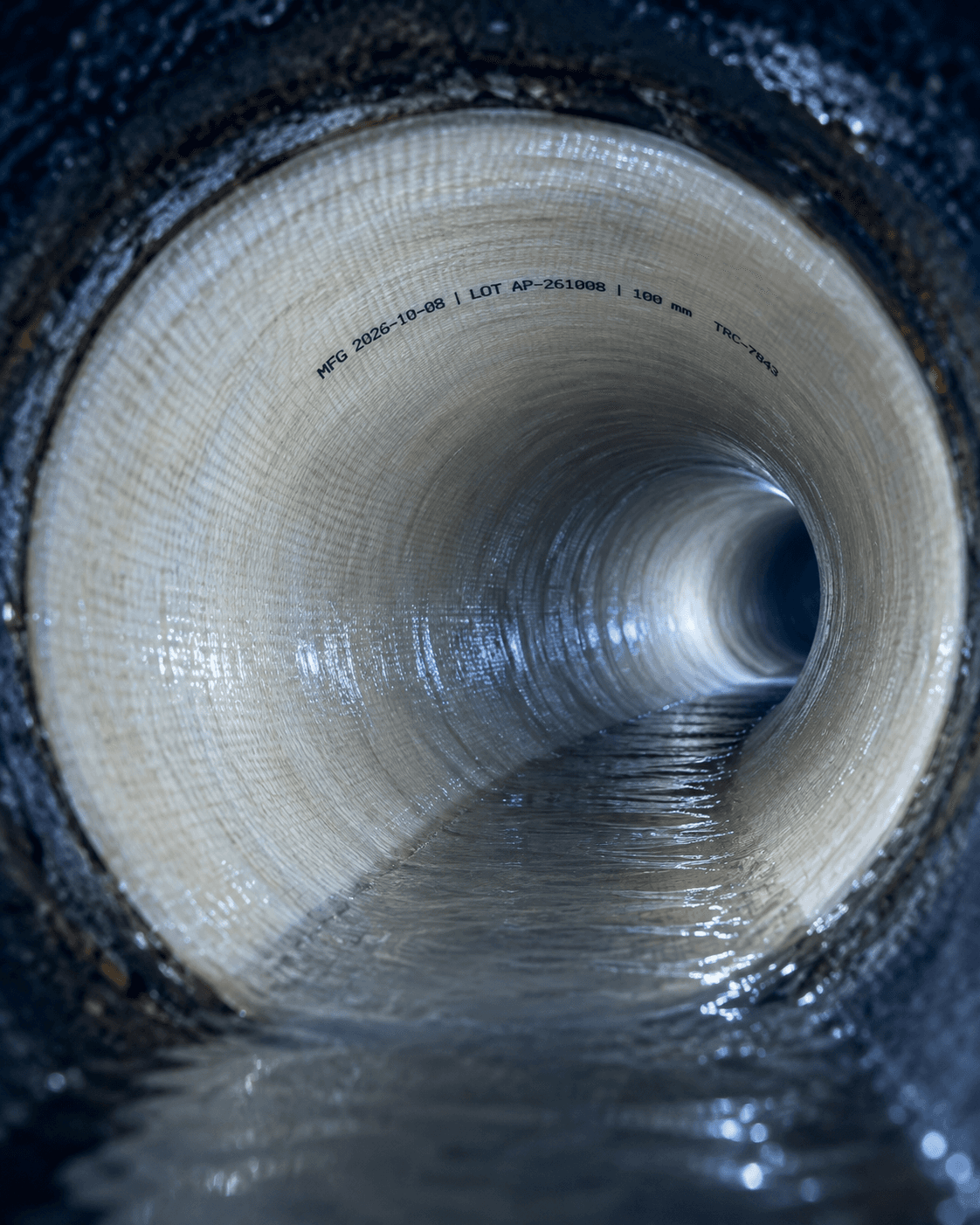
Your selected liner system has preparation requirements. We assess the cleaning needed and inspect the prepared host before installation.
How sewer jetting works
We select the nozzle, method and operating settings for your pipe and the restriction. Your line’s condition and available access determine what can be cleaned safely and effectively.
Step 1 of 4
We assess the accessible condition and any previous findings before selecting a cleaning method. Where a blockage limits the camera view, we explain that limitation and the next step.
Ready for liningStep 2 of 4
We use root-cutting heads for tree roots, chain knockers for hardened scale, penetrating nozzles for packed grease and flushing heads for sludge. The material coming out of your line decides the tool.
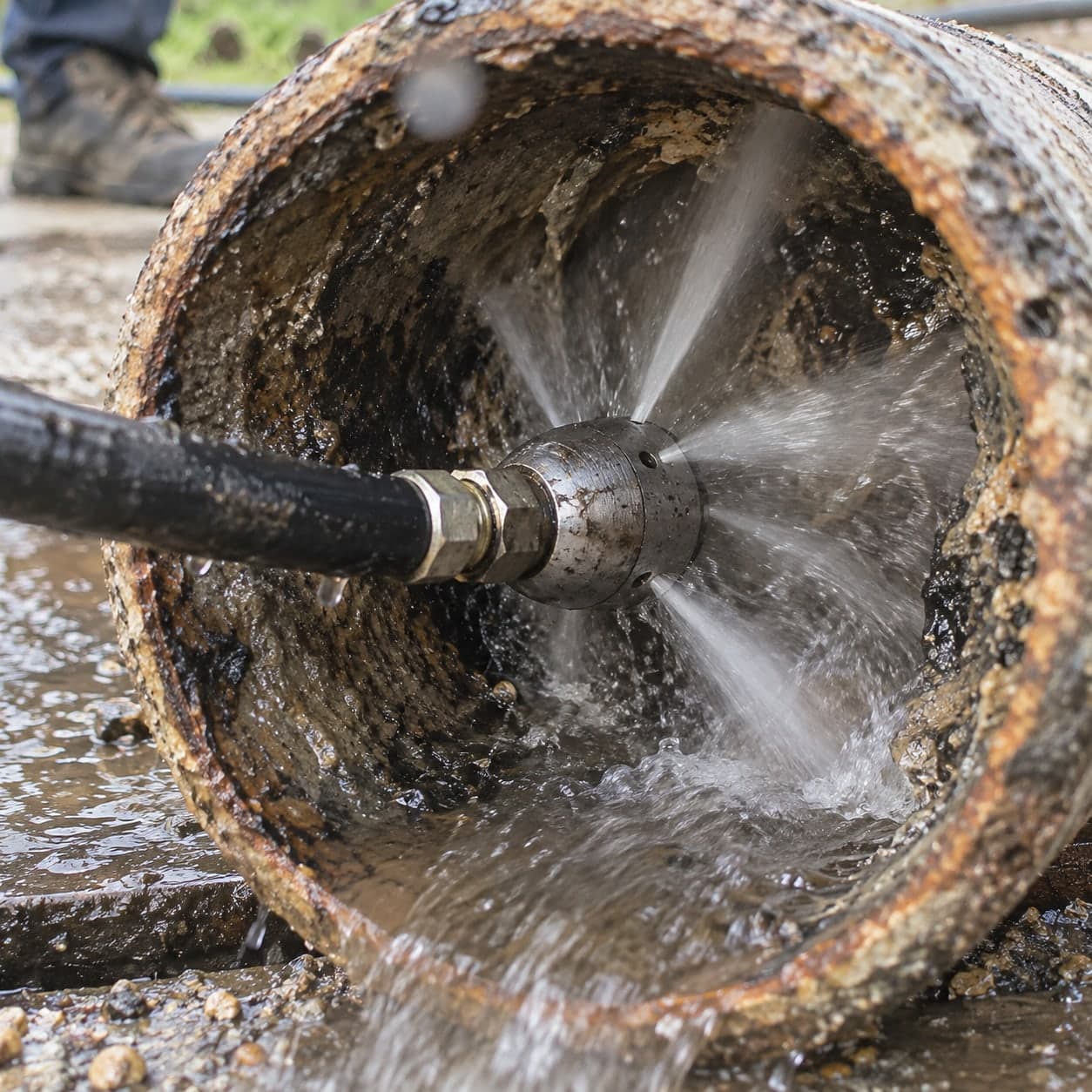 Jetting nozzle
Step 3 of 4
We run the hose in from your existing cleanout or access point, work the nozzle through the run and flush the debris downstream. We capture and dispose of anything that returns at the access.
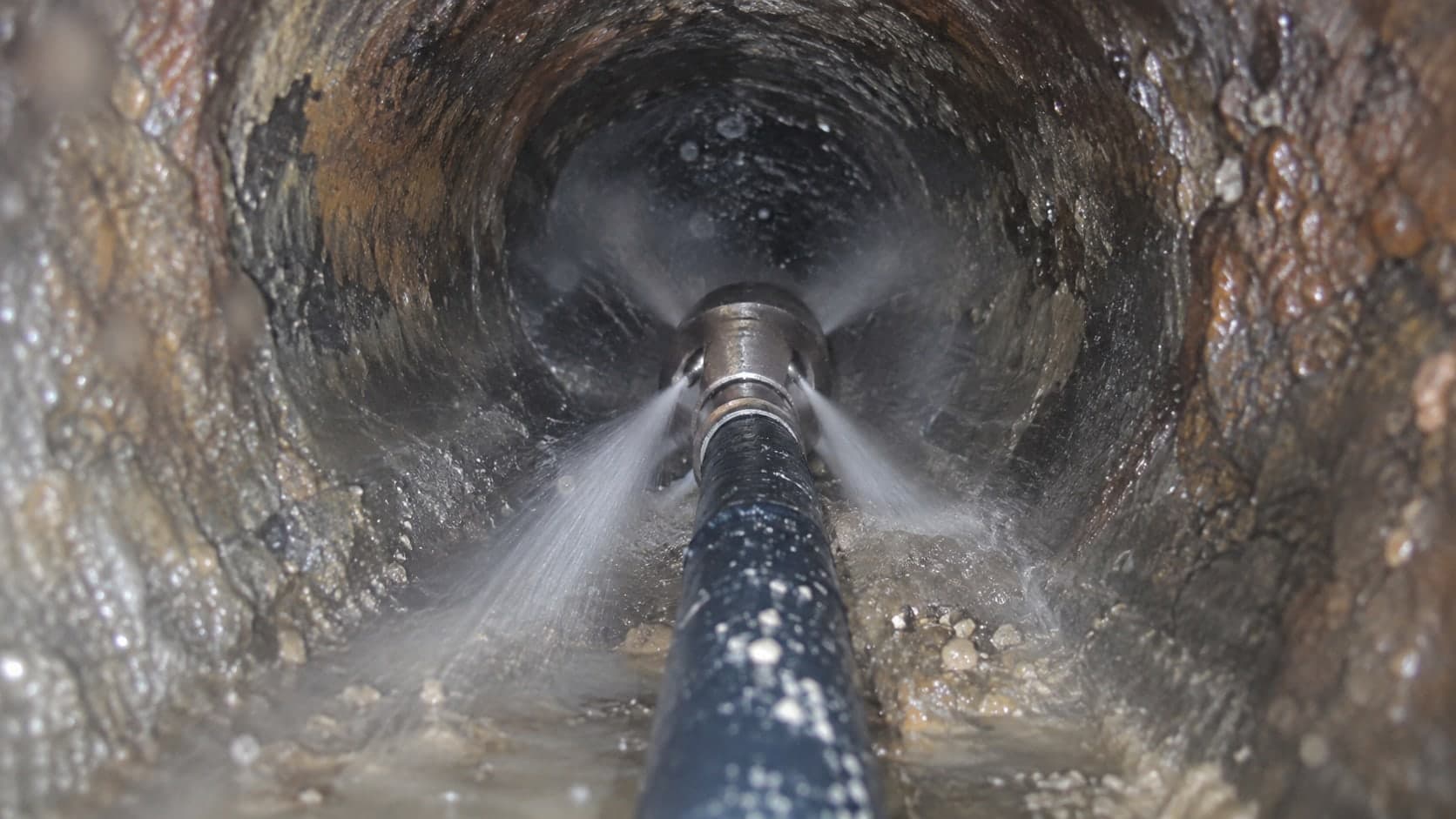 Hydrojetting
Step 4 of 4
We put our camera back in to check the wall, the joints and any damage the deposits were hiding. If your pipe needs more than cleaning, you see it before we pack up.
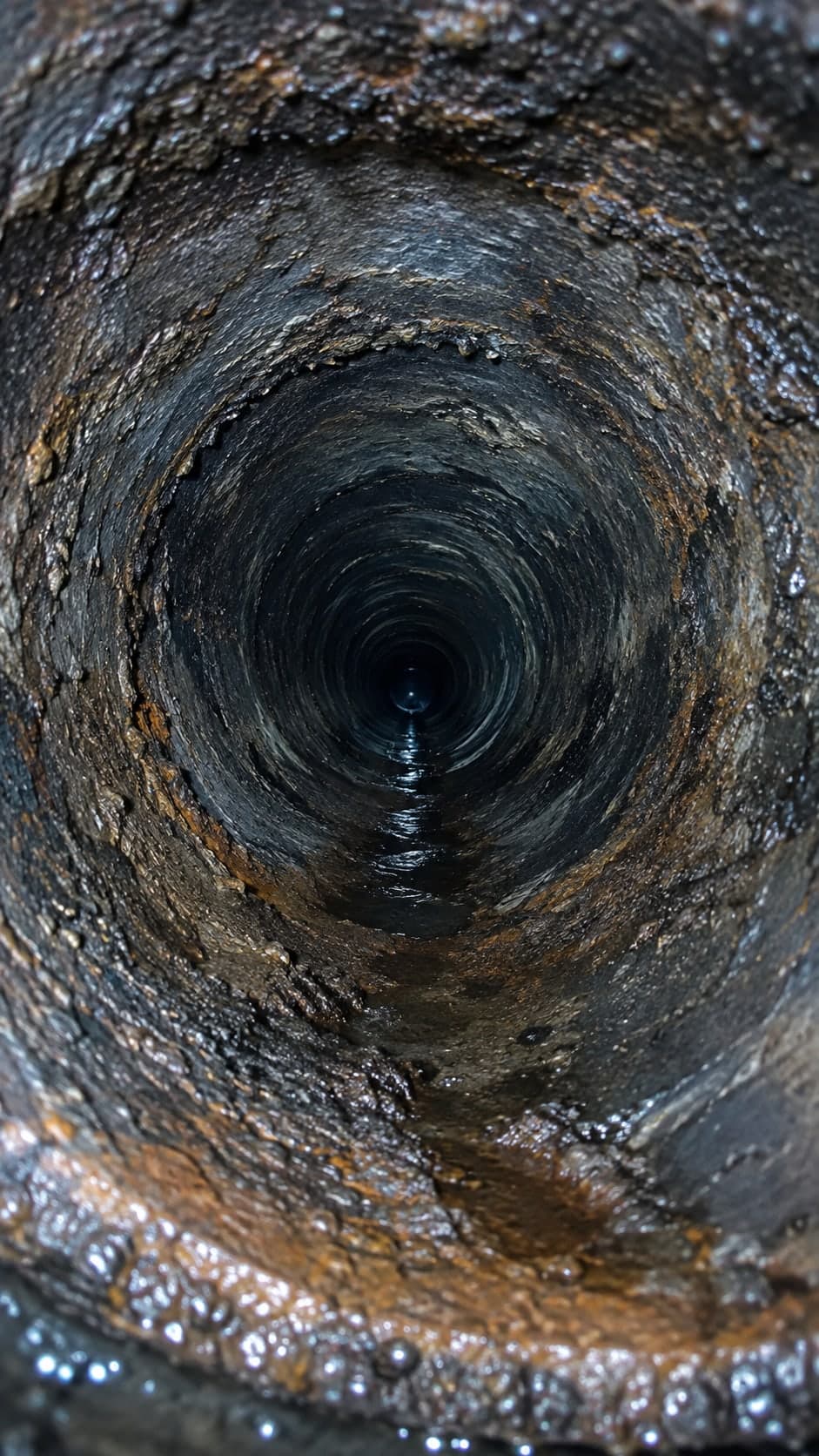 Ready for lining
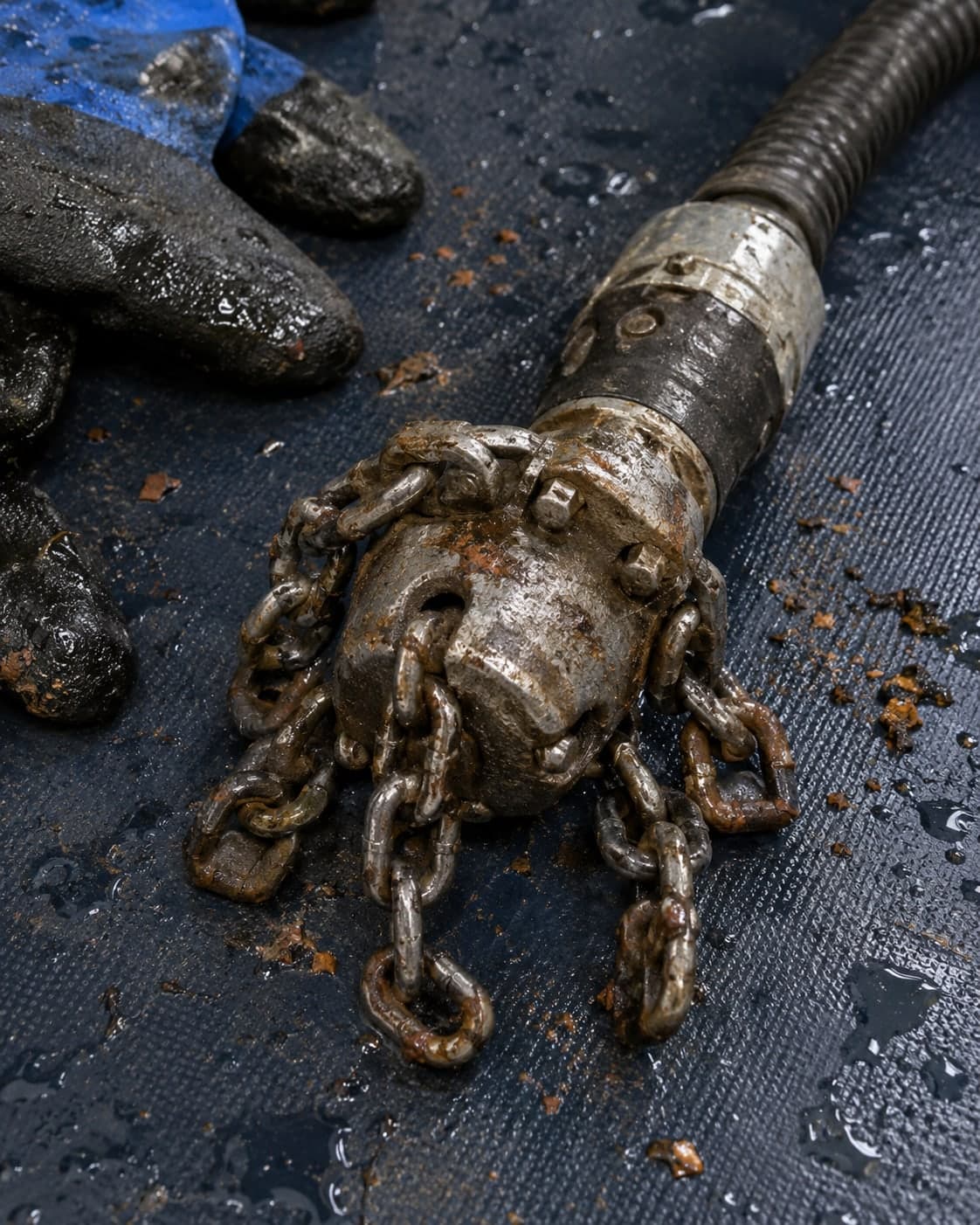 Descaling head
Jetting versus descaling
Hydrojetting uses water to clear material from your sewer. Mechanical descaling uses chains and cutting heads to take hardened scale off a cast iron wall. Your pipe and the material we are removing decide which we use; high pressure is not automatically the answer for every line.
If roots or deposits have restricted your pipe, clearing them does not prove the sewer underneath is sound. For a cast iron sewer, removing scale and repairing deterioration are separate questions, and we keep them separate so you never mistake a cleaning for a repair.
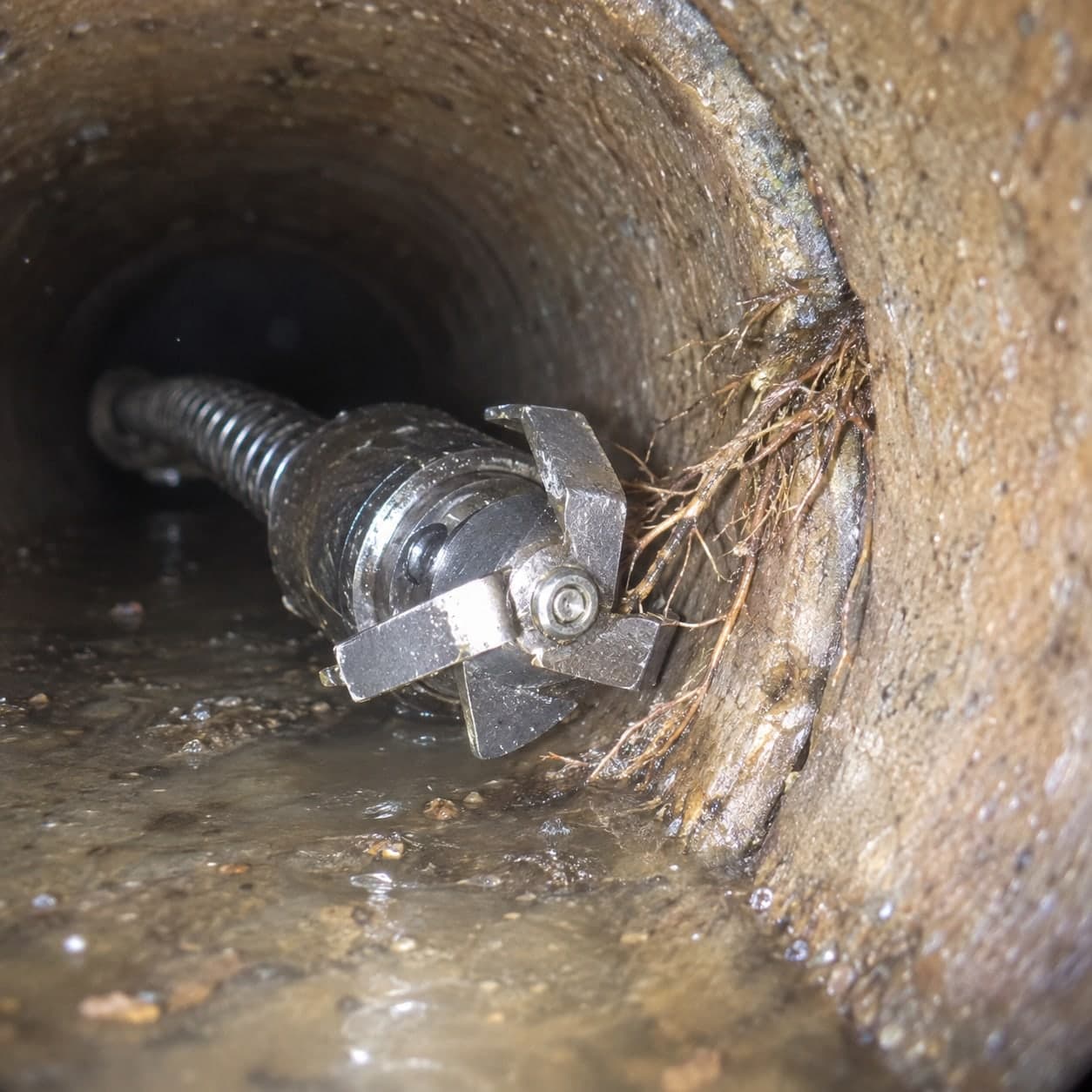 Root cutting
Before lining
For trenchless pipe repair, we clean your line to the standard the liner system needs. Cleaning can expose conditions that were hidden under deposits: a crack, an offset joint or a section that has lost its shape. Any of those changes our work plan for your line before we order the liner.
That is why we put our camera back in after jetting. We quote against the prepared pipe we can see, not the pipe we could not.
Recurring blockages
Tell us how often the problem returns and what previous cleaning involved. Clearing your line cannot stop a damaged section from causing problems, so our written scope says what we cleaned and what we inspected.
We may begin with drain cleaning at that fixture rather than jetting your main.
We jet the line and run our camera to find out whether your pipe is restricted or damaged.
Scheduled jetting keeps your line open between deep cleanings. We set the interval by how your kitchen runs, not a fixed calendar.
We jet and inspect larger lines end to end and map our findings by distance for your property manager.
On the job
Crew photos and explanatory equipment renderings show different parts of the work. We identify the actual entry point and setup for your property before starting.

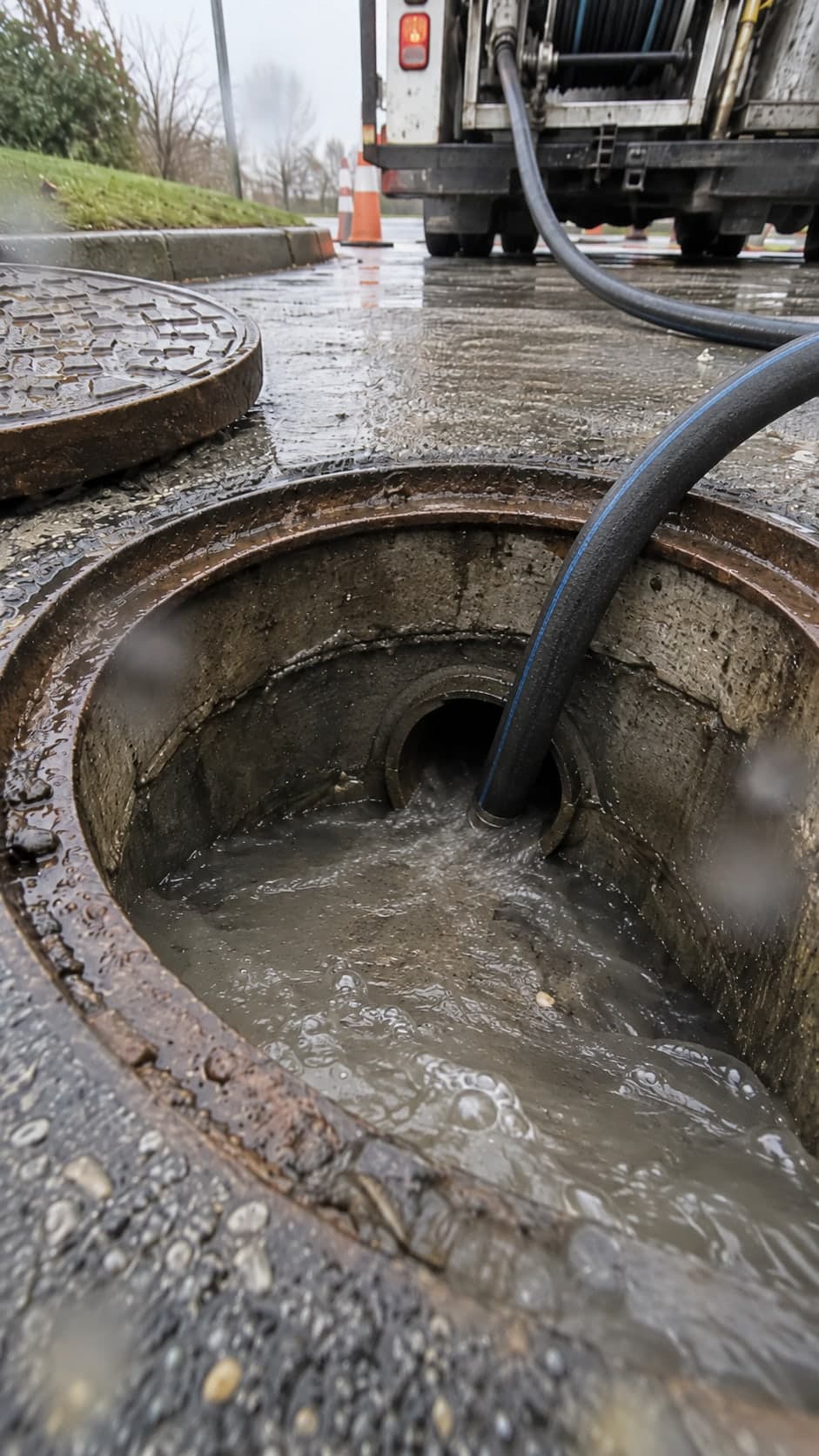

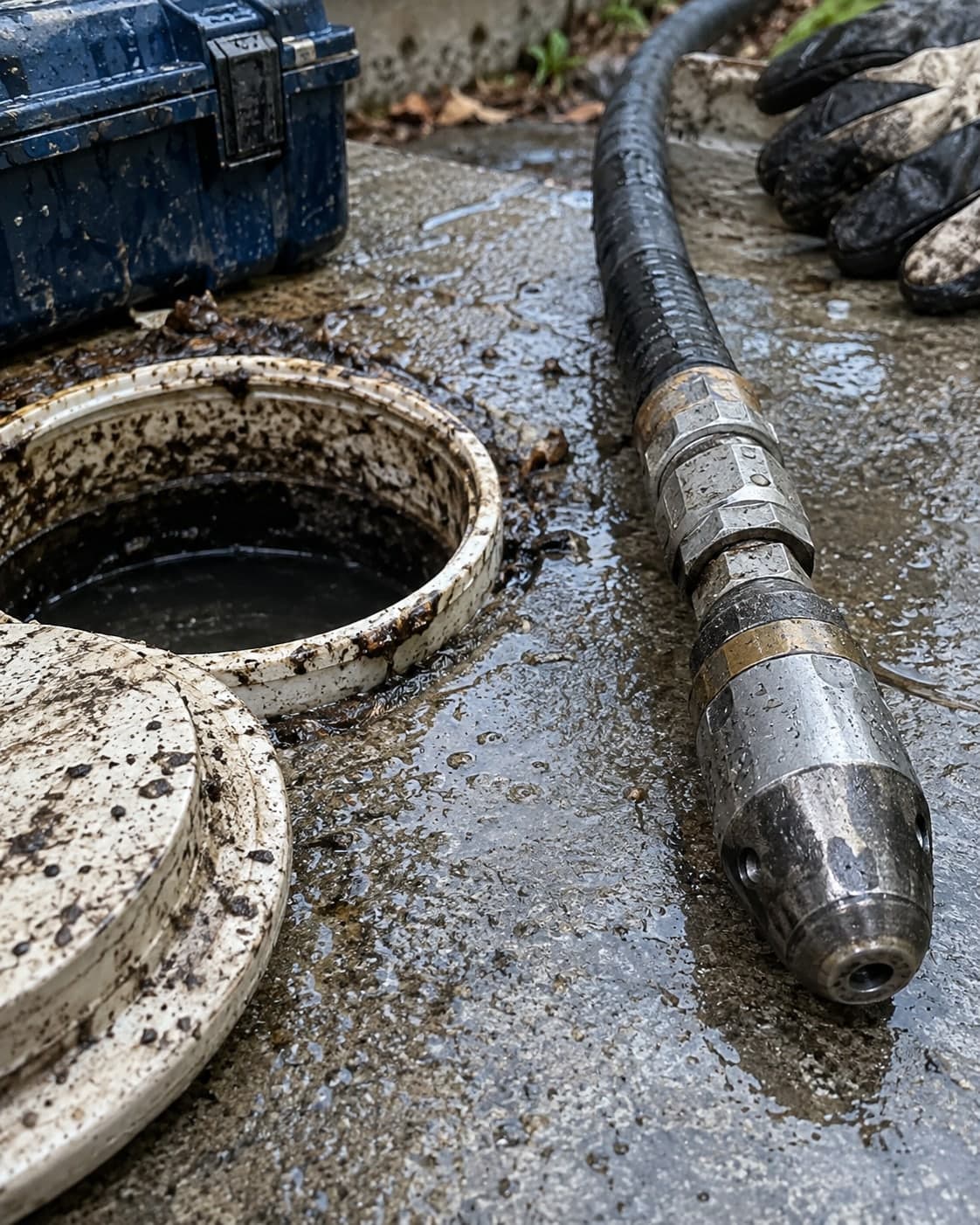
These are photographs of our technicians and equipment on the job.
Common questions
No. Your pipe’s condition, material, access and the restriction affect the cleaning method and settings. We assess those before recommending jetting.
No. Cleaning removes deposits; it does not rebuild a damaged pipe. We explain any visible condition that needs a separate repair decision.
Describe the affected drains, previous clearing and any inspection findings. Tell us about access restrictions and any chemicals recently put into the drain.
Where we work
We provide residential and commercial sewer cleaning and jetting across Miami-Dade and Broward. Send a short description of the blockage or the repair you are planning. You do not need to choose jetting, descaling or lining before you contact us.
We offer sewer cleaning and jetting in Miami, Coral Gables, Coconut Grove, Cutler Bay, Doral and Miami Shores, and throughout Miami-Dade and Broward, including Fort Lauderdale.
We clear your drains with high-pressure water instead of chemicals.
We clear blocked toilets, shower drains and kitchen sinks, then explain any condition that needs further investigation.
We send a camera through your drain or sewer line and record what is happening inside, so repairs are based on footage and not guesses.
We assess your cast iron drains and explain cleaning, lining or replacement.
Talk to a licensed plumber
Describe the problem and we will tell you whether it needs a camera inspection, a cleaning or a repair. We explain our proposed work and price before you approve it, and financing is available on every repair we do.
You approve your price in writing before we begin your repair. Here is what affects it: