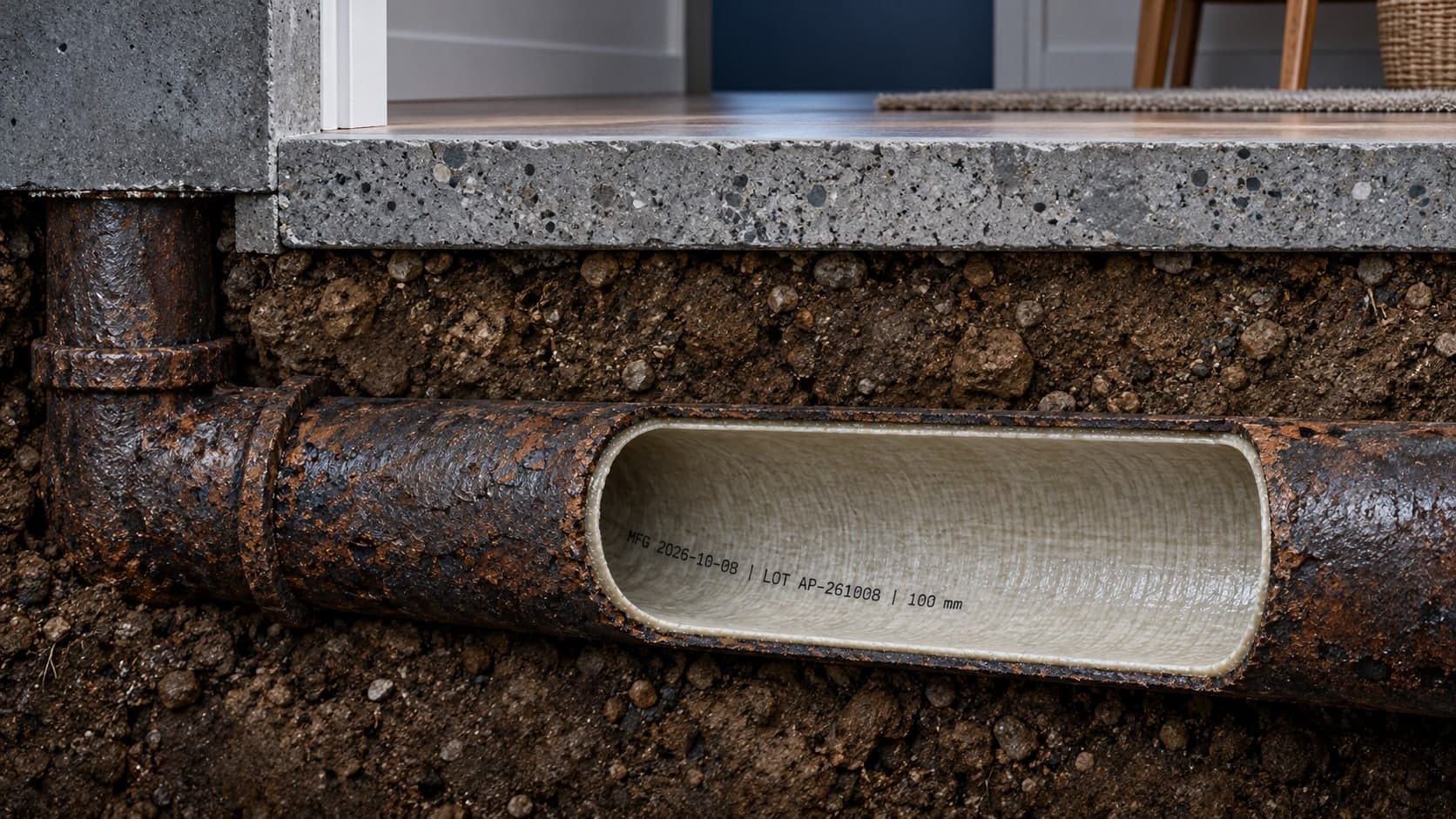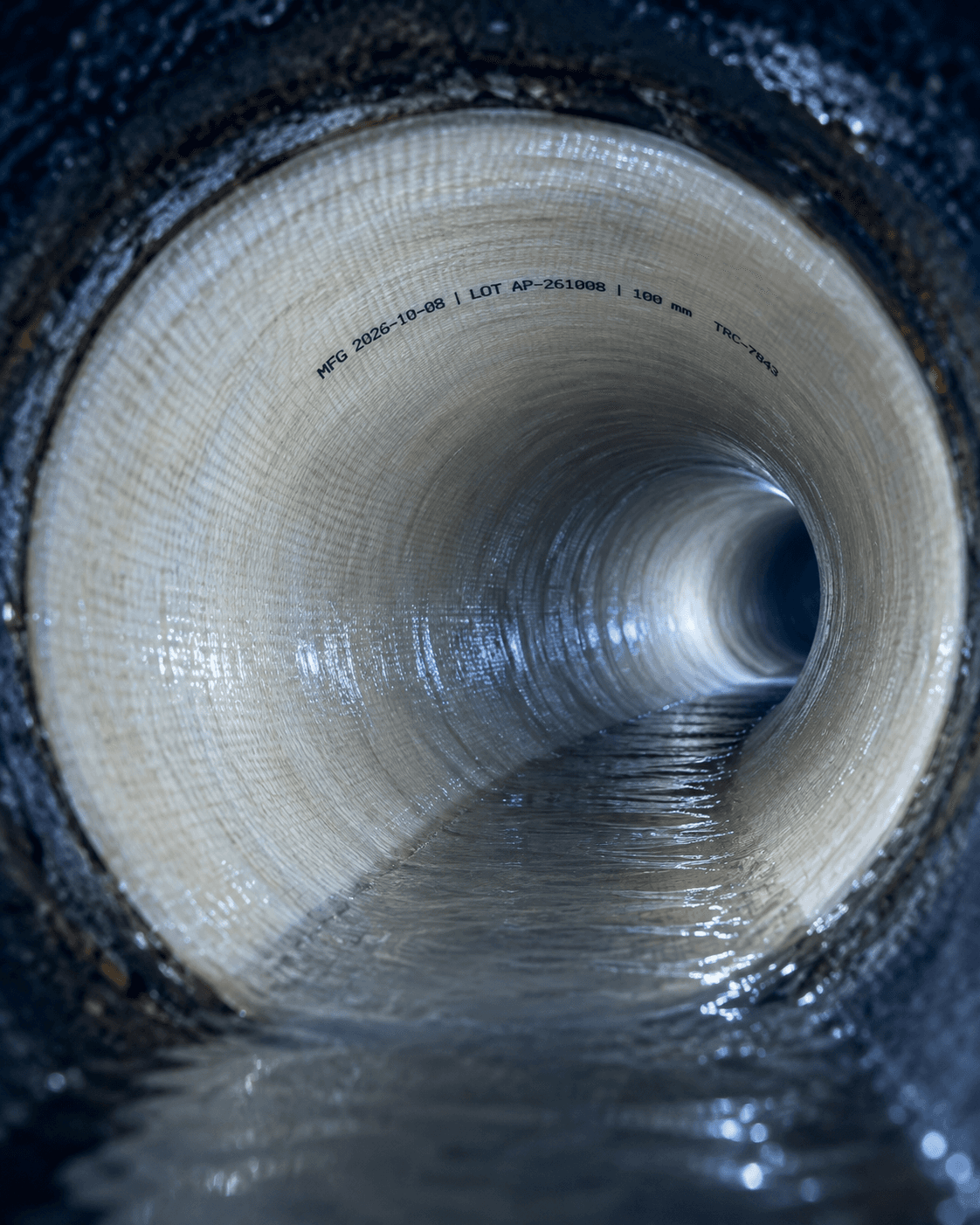

The history of a blockage helps determine the next investigation. Tell us which fixtures are affected, when the problem began and what previous clearing achieved.
Describe one affected fixture or several.
A slow sink may involve its local connections, while several affected fixtures can indicate a shared restriction. Neither observation proves the exact cause without assessment.
Tell us if water backs up in a different fixture when another is used. Do not keep adding water to a fixture that is already overflowing or backing up.
Explain what happened after earlier cleaning.
A restriction that returned after a few days presents a different history from a first blockage after years of normal use. Previous invoices or camera footage can help establish which run was treated.
Cleaning can remove deposits, but it does not repair broken pipe. An unresolved entry point, remaining deposits or a pipe condition can require more investigation.
Let the pipe determine the cleaning method.
Cable clearing, hydrojetting and mechanical preparation do different work. Your pipe material, accessible condition and restriction guide the choice. You do not need to book a particular machine before speaking with us.
Tell us about any drain chemicals already used. That information matters to planning the work; adding more product does not establish why the blockage keeps returning.
Ask what the check after cleaning establishes.
A flow check and a camera view answer different questions. Ask what was cleared, which section was reached and whether any condition needs further attention.
Start with our drain cleaning service. If the history calls for a closer view, our inspection page explains your service scope and limits.
Not sure what you are dealing with?
Tell us the symptoms and we will tell you whether it needs drain cleaning.
Request a callback