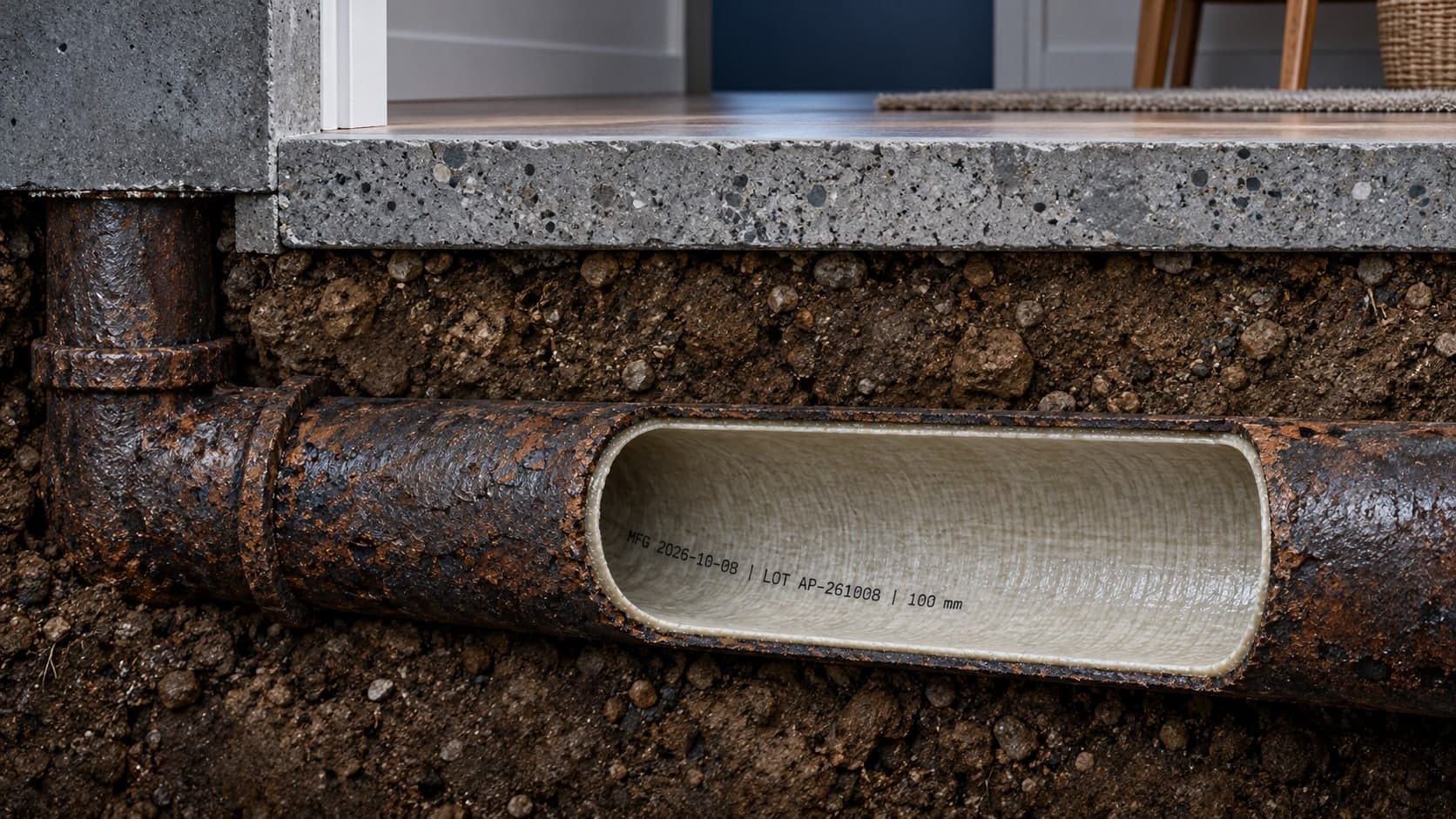

A useful inspection answers a defined question. A recurring backup, repair proposal and property purchase can require different line coverage and records.
Agree the inspection area and access.
Ask which line will be inspected and how the camera reaches it. An available cleanout may provide access; another entry point or access work may need to be arranged.
Tell us about a known blockage or previous recording. Cleaning may be needed to make the camera view useful, and that should be identified in your service scope.
Know what a camera can show.
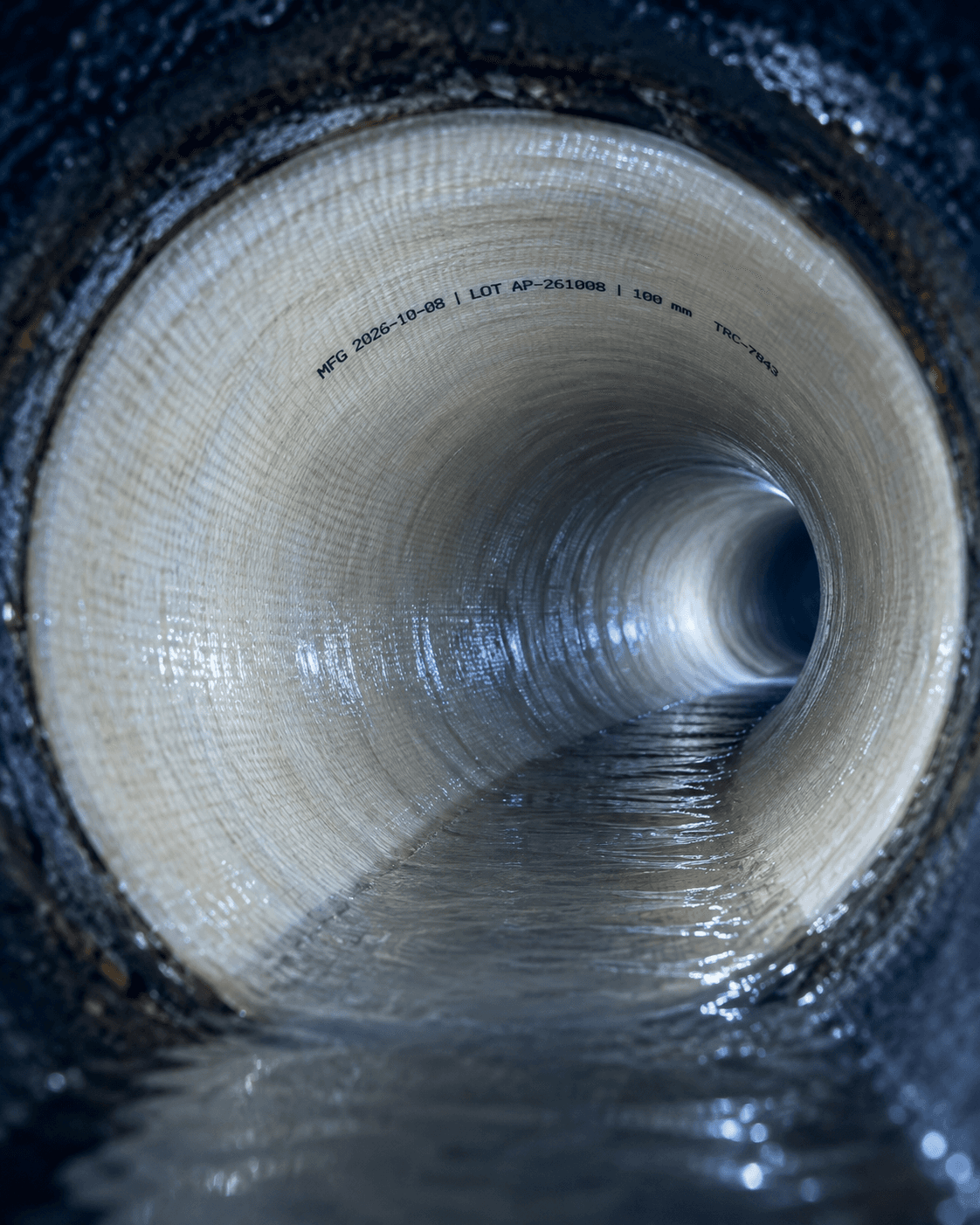
The camera can show visible conditions in the sections reached, including deposits, roots, joints and damage. Distance information and locating can help relate a finding to the property when those are part of the service.
It cannot see through opaque water or deposits, pass every obstruction or establish the condition of inaccessible sections. It does not directly measure the strength or remaining life of a pipe.
Confirm the records you need.
Tell us before the visit if you need a video file, written findings or surface locating marks. Ask which deliverables and charges are included rather than assuming all inspections provide the same package.
For an HOA or purchase decision, identify what the receiving party needs. An inspection record is not automatically a municipal certification or an assessment of inaccessible parts of your system.
Use the findings to choose the next step.
Ask which observation supports cleaning, repair or further assessment. If part of the run was obscured, establish how that uncertainty affects our proposed work.
Our camera inspection service describes the visit. You can send existing findings with your request to explain the question you want answered.
Not sure what you are dealing with?
Tell us the symptoms and we will tell you whether it needs sewer camera inspections.
Request a callback